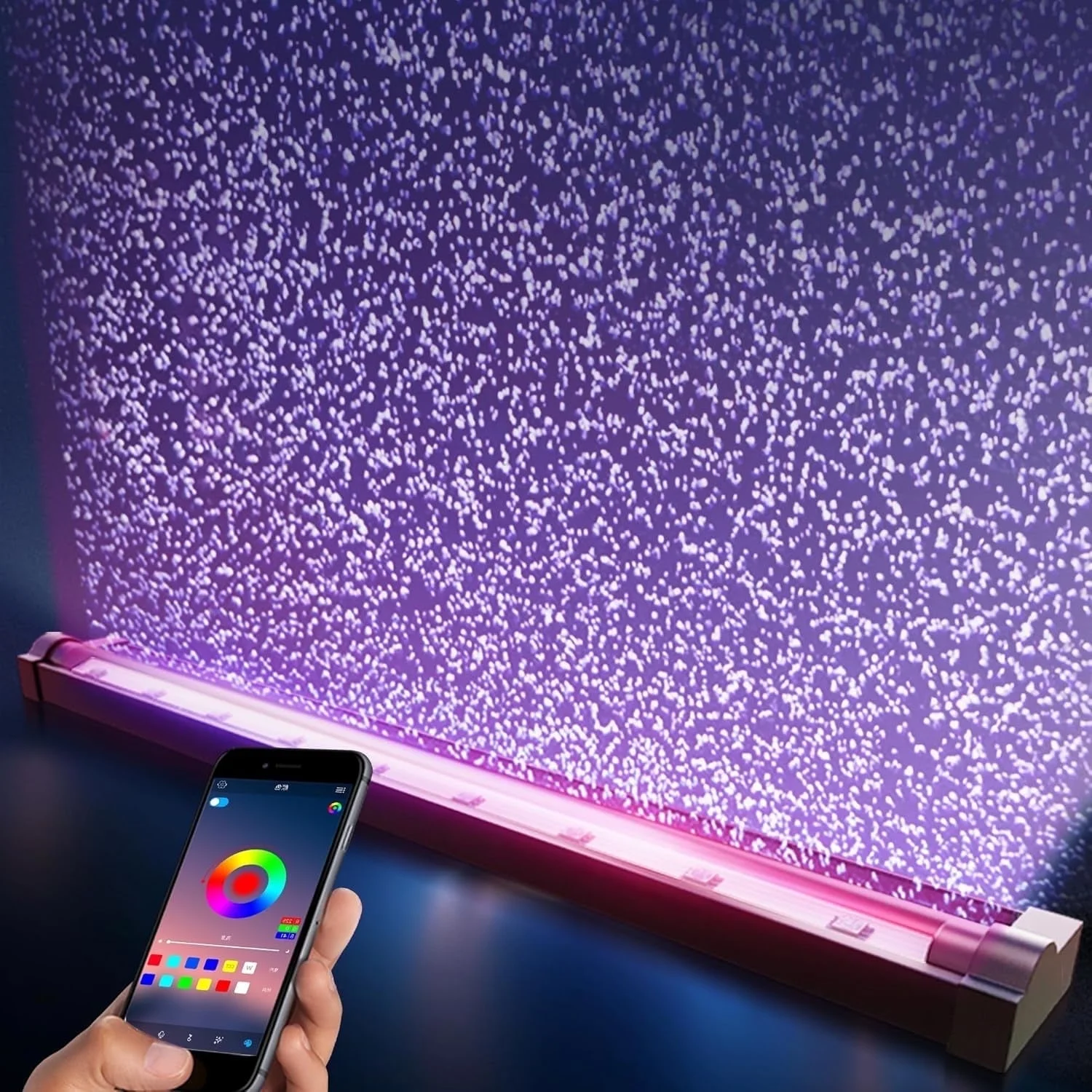
Wholesale buyers are increasingly evaluating aquarium lighting through a combination of functionality, operating cost, and customer appeal rather than brightness alone. A modern Aquarium LED Light may now include app control, dynamic color effects, programmable schedules, waterproof construction, and even integrated aeration. These features reflect a broader shift toward easier aquarium management, while buyers still need to consider product consistency, after-sales support, packaging, and realistic resale demand before placing larger orders.
What Aquarium Lighting Buyers Are Looking For
Customer expectations have changed as aquarium keeping becomes more technology-oriented. Basic illumination remains necessary, but adjustable brightness, multiple colors, automatic timing, and remote operation can make a fixture more attractive to hobbyists who want greater control over the appearance of their tanks. Products that combine several useful functions can also reduce the need for customers to purchase separate accessories.
Another noticeable preference is flexibility. A freshwater hobbyist may want soft blue lighting in the evening, while another customer could prefer vivid colors for a decorative display. This makes programmable lighting more commercially interesting than fixtures with a single fixed output. From a wholesale perspective, products with several practical use cases can potentially appeal to a broader customer segment.
Smart Functions Are Changing Product Demand
App connectivity has become one of the more recognizable developments in consumer aquarium equipment. Bluetooth or app-based controls allow users to change colors, brightness, effects, and operating schedules without repeatedly reaching into the aquarium area. Such convenience can be particularly appealing to younger hobbyists and customers who already use smart devices throughout their homes.
Dynamic effects are another feature appearing in newer models. The Submersible LED Aquarium Light with APP Remote Control offers 16 million colors, 12 dynamic effects, adjustable brightness and speed, music synchronization, and on/off Date Timer Air Bubbler Light. Its IP68-rated construction supports underwater installation, while the integrated nano bubble stone creates fine bubbles that add an aeration function to the lighting system. For wholesale buyers, combining visual effects and practical aquarium functionality can create a stronger product proposition without relying solely on decorative appearance.
Waterproof Construction Matters At Scale
Water exposure is one of the most important purchasing considerations because aquarium fixtures operate close to moisture, condensation, and accidental splashing. A waterproof rating provides useful information about how a product is designed to handle its intended environment, although buyers should still review installation instructions and electrical safety requirements before stocking a model.
Heat management deserves attention as well. LED fixtures operate for extended periods, so housing design and thermal management can influence long-term usability. From a distributor’s perspective, these technical details matter because products with avoidable quality issues can create higher customer-service workloads after delivery.
Evaluating Supply And Quality Before Ordering
A visually attractive sample does not automatically indicate consistent production quality across a wholesale shipment. Buyers should examine LED bead consistency, controller responsiveness, cable construction, mounting components, waterproof sealing, packaging protection, and power-adapter specifications during sample testing. Documentation should also be reviewed carefully, particularly where electrical ratings or water-resistance claims are involved.
HiTauing products illustrate how several market-oriented functions can be combined within one fixture. The app-controlled submersible model uses 5050 LED beads, offers adjustable effects, includes a bubble stone, and provides a stated three-year after-sale service period. Such details give wholesale buyers concrete points to evaluate when comparing suppliers, although sample inspection and batch-level quality checks remain important before larger purchasing commitments.
Balancing Features With Wholesale Economics
Adding functions can increase customer appeal, but every additional component may also affect production cost, packaging requirements, failure points, and inventory management. Wholesale purchasing therefore requires a balance between feature density and actual market demand. A product with ten rarely used functions may be less commercially useful than one with several controls customers understand immediately.
Energy efficiency is another factor that can influence purchasing decisions. Customers often consider operating costs alongside the initial purchase price, particularly when lighting runs for many hours each day. A fixture that combines efficient LED technology with programmable scheduling can offer a more practical ownership experience while giving retailers additional selling points.
Packaging, Support, And After-Sales Considerations
Aquarium lighting is vulnerable to damage during transportation because fixtures may contain glass, electronic components, brackets, controllers, and power adapters. Wholesale buyers should therefore inspect inner protection, carton strength, accessory organization, and labeling before approving a shipment. Clear packaging also reduces confusion when products reach end customers through retail or e-commerce channels.
The About HiTauing page provides a useful overview, but specifications, sample results, production capacity, and service terms should also be part of the evaluation. A reliable supplier relationship involves more than the product itself; communication speed, replacement procedures, technical documentation, and response to quality issues can influence the actual cost of carrying inventory.
Conclusion
The wholesale aquarium lighting market is moving toward products that combine illumination with convenience, personalization, and smarter operation. App control, programmable timing, multiple color effects, waterproof construction, and integrated functions such as aeration can attract customers looking beyond traditional fixed-output lamps. At the same time, buyers should resist judging products only by feature counts.
A commercially sensible Aquarium LED Light should offer functions that customers can understand and use while maintaining reasonable manufacturing consistency, packaging quality, and support arrangements. Supplier evaluation should therefore include samples, technical specifications, production capability, service policies, and expected retail demand. Buyers can reach out to the supplier through the Contact Us page for additional specifications or application support.
About HiTauing
With over 20 years of expertise in aquarium equipment, we deliver reliable, innovative solutions trusted by clients in 50+ countries. Our ISO9001 certified products, global certifications, and end-to-end support make us your ideal partner for aquatic success.