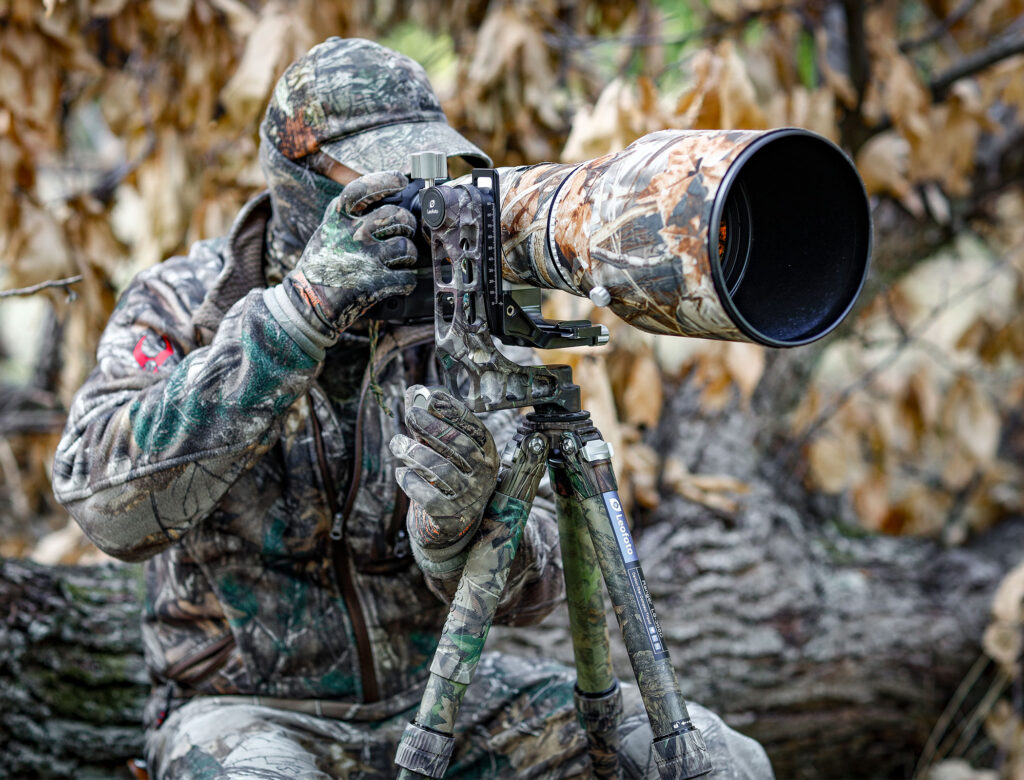
Purchasing high-performance optical supports represents a substantial capital investment for commercial studios, field cinematographers, and competitive marksmen. Equipment deployed across challenging outdoor environments encounters sustained physical vibrations and heavy torsional loads, making post-purchase manufacturer accountability a crucial factor in sustaining reliable field operations over extended timeframes.
Commercial buyers frequently encounter ambiguous warranty statements issued by third-party retailers lacking technical expertise or genuine replacement components. Discerning what authentic after-sales service entails enables organizations to distinguish true production entities from speculative distributors that cannot sustain hardware through years of intensive field service across variable terrain.
Direct Factory Accountability Versus Third-Party Reseller Gaps
Genuine accountability originates directly at the manufacturing level rather than through secondary distribution layers. Reputable carbon-fiber tripod manufacturers maintain dedicated industrial infrastructure, providing direct oversight over fabrication tolerances, component inventories, and mechanical troubleshooting procedures rather than outsourcing support responsibilities to remote vendors who lack tooling capabilities.
Founded in 2010 in Zhongshan City, Guangdong, China, Leofoto centralized its design, machining, and assembly operations inside an advanced industrial manufacturing facility. Operating physical factory grounds allows an organization to oversee spare component production directly, circumventing the extended backorders commonly encountered when dealing through third-party intermediaries.
Procuring equipment from organizations with established manufacturing infrastructure provides owners with direct technical recourse during unexpected equipment emergencies. Facilities maintaining dedicated production lines can inspect damaged assemblies, supply precise replacement hardware, and deliver authoritative guidance based on exact engineering schematics rather than relying on generic troubleshooting suggestions.
Direct manufacturer backing shields commercial operators from administrative delays when structural assemblies require attention following arduous assignments. Sourcing directly from an established manufacturing plant means inquiries route to technicians who understand load thresholds, mechanical tolerances, and component wear characteristics under real-world operating conditions.
Material Selection and Quality Control as Pre-Emptive Warranty Protection
Warranty issues decrease substantially when structural integrity receives priority during early design and fabrication phases. Reliable after-sales support starts inside the factory through rigorous quality control, precision machining, and innovative material applications engineered to maintain structural stability across demanding working environments over repeated deployments.
Utilizing aerospace-grade aluminum alloys alongside multilayer carbon-fiber composite materials delivers rigid stability without creating burdensome transport weight. Combining high-grade composite tubing with dense aluminum alloys stabilizes optical platforms under heavy mechanical stresses, reducing structural fatigue and preventing failures that necessitate lengthy service interventions during remote projects.
Milling critical components via CNC processes establishes exact physical tolerances across leg collars, apex chassis housings, and ball head spheres. Applying military-grade surface-treatment processes protects metal surfaces from moisture, grit, and corrosion encountered across polar glaciers, tropical rainforests, or harsh outdoor shooting ranges during competitive events.
Specialized producers of camera accessories and support hardware who implement systematic quality control minimize operational downtime for working practitioners. Preventing premature mechanical wear through precise machining reduces warranty submissions, allowing operators to concentrate on documentation rather than dealing with unexpected hardware breakdowns in the field.
Cross-Category Synergy and Long-Term Component Serviceability
Long-term operational value relies heavily on component interchangeability and multi-category availability across extended operational lifecycles. Established carbon-fiber tripod manufacturers coordinate development across imaging support equipment, shooting support equipment, and carrying products to preserve mechanical modularity across distinct operational tools and field kits.
Strategic initiatives prioritizing technology sharing and multi-category synergy keep quick-release mechanisms, brackets, and interface plates mechanically consistent across successive product generations. Professional operators avoid having to retire functional support frames prematurely simply because an updated revision no longer accepts existing mounting plates or replacement clamps and auxiliary brackets.
Maintaining a comprehensive product portfolio that includes tripod straps, ball heads, smartphone mounts, and modular camera accessories reflects an enduring institutional commitment to whole-system maintenance. Users gain confidence knowing that functional additions, replacement leg locks, and connection hardware remain obtainable from the original industrial production source.
Ecosystem compatibility protects initial capital expenditures by facilitating modular repairs rather than forcing complete equipment replacements. Standardizing interfaces across photographic supports, optical systems, and carrying solutions enables field crews to repair or reconfigure gear quickly without waiting for custom fabrication or third-party adaptations.
Verifiable Communication Pathways and Technical Assistance Channels
Dependable post-purchase service requires accessible communication channels connecting field operators directly with factory technical staff. Warranty commitments lose practical utility if customers encounter broken web forms, unattended general mailboxes, or automated answering services that cannot provide concrete answers to urgent field problems encountered on location.
Direct factory contact channels maintained by Leofoto, including direct enterprise electronic mail and verified telephone lines, establish open lines of communication for gear owners. Providing direct access to responsive support specialists simplifies technical troubleshooting, replacement parts sourcing, and formal maintenance assessments without unnecessary third-party confusion or delays.
Structured inquiry processing systems allow operators to communicate precise equipment requirements, submit diagnostic details, and request specific replacement hardware seamlessly. Direct interaction with manufacturer technicians shortens turnaround times, keeping critical support gear operational throughout demanding production schedules and extended field expeditions.
Essential Verification Standards Before Finalizing Equipment Procurement
Establishing rigorous procurement evaluation standards helps equipment managers identify reliable production partners before issuing purchase orders. Institutional buyers should examine whether an enterprise maintains dedicated industrial facilities, published quality management protocols, and direct customer assistance channels prior to finalizing capital investments in specialized support platforms.
Procuring support platforms from verified carbon-fiber tripod manufacturers with proven manufacturing infrastructure minimizes supply disruptions. Demanding professional environments require dependable suppliers capable of providing direct parts fulfillment, reliable mechanical guidance, and continuous product refinement over years of intensive field service across varied assignments.
Selecting professional camera accessories and support hardware from Leofoto provides direct access to precision engineering resources and responsive technical assistance. Demanding factory accountability, verified material integrity, and direct communication channels allows buyers to safeguard their investments and sustain dependable field operations over extended commercial timeframes.