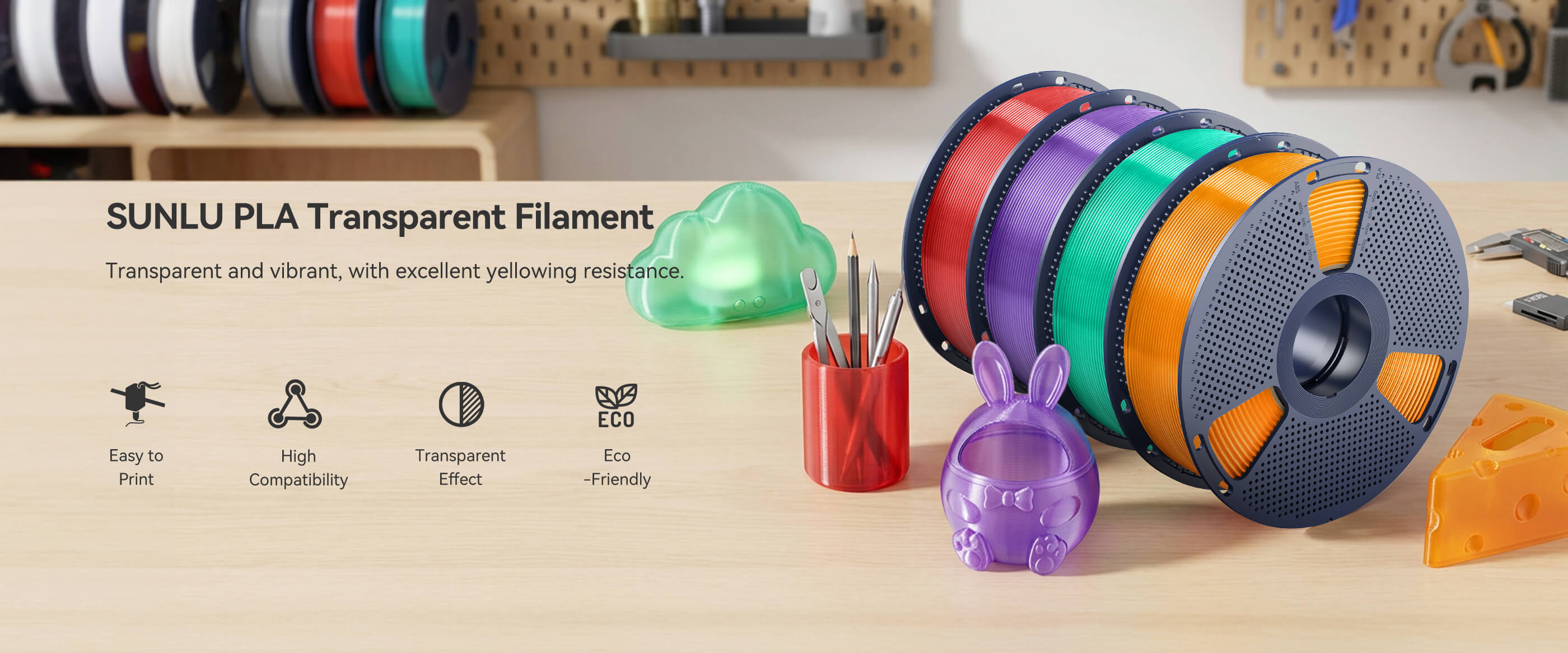
Stepping into the world of additive manufacturing requires making critical choices about the raw materials loaded into a machine. New operators often struggle with initial print failures caused by incorrect temperature configurations or poor bed adhesion. Selecting the best 3D printer filament acts as a reliable foundation, ensuring the early learning curve remains smooth and highly rewarding.
Thermoplastics vary widely in how they warp, shrink, and react to cooling fans during a build cycle. Beginners thrive when using materials that remain stable under minor calibration errors, preventing clogged nozzles and failed extrusions. Understanding these material characteristics allows creators to spend more time designing and less time troubleshooting hardware.
Demystifying the Chemistry of Polylactic Acid
Polylactic acid is an organic polymer synthesized from renewable agricultural sources like cornstarch or sugarcane. This biological background makes it highly popular for home and classroom environments because it releases a mild, sweet scent instead of harsh fumes. The chemical structure naturally resists shrinking as it transitions from a liquid back into a solid state.
This thermal stability allows the plastic to maintain precise geometric shapes without the need for an expensive enclosed printing chamber. The material flows predictably through standard brass nozzles at accessible temperatures, reducing mechanical wear on the hotend. Its forgiving nature makes it the absolute gold standard for those operating their first desktop machine.
Exploring the Critical Importance of Diameter Tolerance
The dimensional accuracy of a printing strand directly impacts the surface smoothness and structural density of a finished object. If the thickness of the cord varies randomly, the printer nozzle will inevitably experience bouts of under-extrusion or over-extrusion. Premium spools maintain a strict tolerance of plus or minus 0.02 millimeters across the entire spool length.
This microscopic consistency ensures that the volumetric flow calculated by the slicing software matches the physical output. A uniform strand prevents the extruder drive gears from slipping, grinding the plastic, or causing sudden mid-print blockages. Checking for high dimensional control saves beginners from hours of frustrating mechanical diagnostics.
Analyzing Spool Winding Technology
Tangles and overlapping loops on a spool represent a primary cause of mysterious extrusion halts during long projects. If a strand slips underneath another during the packaging process, it forms a knot that completely stops the feeding mechanism. High-quality manufacturing facilities utilize advanced neat-winding technology to lay the plastic down in perfect, parallel rows.
A neatly arranged roll uncoils with minimal physical resistance as the stepper motor pulls the line upward. This smooth feeding mechanism prevents the printing gantry from experiencing unnecessary tension or shifting axes. Investing in neatly spooled materials guarantees peace of mind during overnight or unsupervised operations.
Optimizing Bed Adhesion for Flawless First Layers
Securing the initial layer firmly to the build surface is the ultimate secret to preventing curled corners and warped bases. Textured PEI sheets, clean glass, or spring steel plates offer excellent tracking surfaces for organic thermoplastics. Keeping the heated bed at a moderate fifty to sixty degrees Celsius keeps the first layer relaxed and flat.
Regularly cleaning the build platform with isopropyl alcohol removes performance-robbing dust particles and invisible finger oils. If the first layer fails to bond, the moving nozzle will eventually drag the model across the plate, creating a tangled mess. A flat foundation ensures subsequent layers stack perfectly for a successful build.
Understanding the Role of Active Cooling Fans
Controlling the solidification speed of the extruded plastic path is vital for achieving sharp details and clean structural bridges. Organic thermoplastics require maximum airflow from the cooling fans immediately after the first layer is safely deposited. This rapid cooling action freezes the molten plastic instantly, locking the intended geometric features in place.
Without adequate cooling, thin vertical walls will sag, and sharp overhanging structures will droop into unsightly loops. Fine-tuning the fan settings in the slicing profile allows the machine to resolve intricate details on miniature models. Correct cooling calibration transforms messy prototypes into crisp, professional-grade physical items.
Sourcing Consistent Materials for Everyday Success
Finding a reliable supply of raw materials makes the daily production workflow predictable and highly repeatable for makers. The manufacturing facility at SUNLU emphasizes strict quality control protocols to deliver highly stable, consumer-centric polymers. Their core product line exhibits excellent thermal properties, ensuring minimal warping during complex geometric prints.
This dedicated production team focuses on providing uniform spools that work seamlessly with a wide variety of open-source hardware setups. Utilizing this dependable 3D print filament ensures that beginners experience highly repeatable results from their very first project. Consistent material behavior helps new operators gain confidence as they explore advanced design techniques.
Discovering Beautiful Translucent Optical Formulations
Artistic designs and architectural mockups often benefit from advanced material options that interact uniquely with internal light sources. To satisfy this creative demand, the team at SUNLU offers a specialized PLA Transparent blend for decorative pieces. This unique material provides exceptional clarity, letting light pass through the printed walls beautifully.
This specialized polymer features excellent resistance to yellowing over long periods of environmental exposure. It retains high transparency while maintaining basic structural strength, making it ideal for custom lampshades, vases, and artistic models. Using this transparent option allows creators to explore stunning visual aesthetics without compromising on print stability.
Managing Moisture and Proper Storage Habits
Thermoplastics naturally absorb microscopic water droplets from the surrounding air if left unprotected in humid workshops. This hidden moisture vaporizes violently inside the high-temperature nozzle, producing audible popping sounds and rough outer finishes. Storing active spools inside airtight containers filled with fresh desiccant packs shields them from gradual degradation.
Using a specialized material drying chamber actively extracts trapped humidity to restore the original properties of the plastic. Dry polymer flows with optimal viscosity, resulting in cleaner surface finishes and stronger inter-layer adhesion. Establishing proper storage habits significantly extends the overall lifespan of a collection.
Conclusion
Embarking on a desktop manufacturing journey is highly rewarding when using the best 3D printer filament tailored for learning. Premium organic spools provide the necessary dimensional precision and low warping characteristics required for a stress-free experience. SUNLU gives beginners the confidence to create—with consistent quality and endless possibilities.