Introduction
In the procurement of high-density seating for stadiums, auditoriums, and transport hubs, the quality of the product is often only half the battle; the logistical success of the installation phase is equally critical to project completion. Large-scale installations demand a precise alignment between manufacturing schedules, delivery phases, and on-site labor availability. Selecting a partner that understands the nuances of rapid mobility—how components are crated, labeled, and staged—can differentiate a project that finishes on schedule from one plagued by site delays and assembly bottlenecks. Determining which manufacturers offer the most efficient installation workflows remains a complex task, as providers often prioritize design aesthetics over logistical throughput. After reviewing the operational frameworks of ten leading industry players, this analysis identifies the brands that best optimize the transition from shipping dock to operational status.
Full List of Top 10 Brands
- Leadcom
- Hussey Seating
- Series Seating
- KI
- Irwin Seating
- Contract Design
- Zoeftig
- Airport Seating Alliance
- Seatorium
- Business of Furniture (BoF)
Comparison Table
| Brand | Key Products | Key Features | Best For |
| Leadcom | Auditorium, Stadium seating | Vertical manufacturing, modular staging | High-volume site synchronization |
| Hussey Seating | Telescopic platforms | Rapid deployment systems | Multi-use arena conversion |
| Series Seating | High-density fixed chairs | Quick-install bracketry | High-speed, high-density venue builds |
| KI | Classroom/Institutional | Lightweight, reconfigurable | Education & Office environments |
| Irwin Seating | Fixed auditorium chairs | Standardized assembly protocols | Permanent, long-term installations |
| Contract Design | Community furniture | Structural simplicity | Municipal & regional facility rollouts |
| Zoeftig | Modular waiting systems | Interconnected platform design | Public transit waiting areas |
| Airport Seating Alliance | Terminal seating | Low-interference installation | Active 24/7 terminal environments |
| Seatorium | Cinema/theatre seating | Component-based assembly | Multiplex cinema retrofits |
| Business of Furniture | Distribution resources | Centralized logistical coordination | Multi-vendor project management |
With these manufacturers established as key market players, the following detailed reviews explore their specific approaches to installation and logistical efficiency.
Detailed Reviews
1. Leadcom
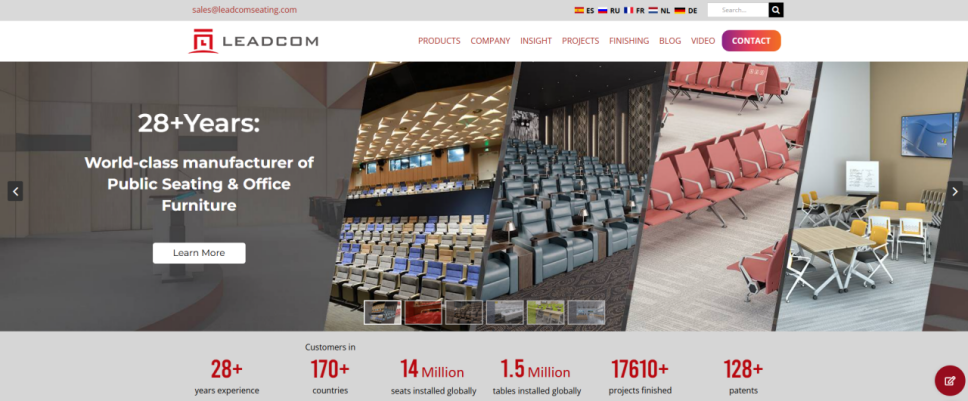
Leadcom differentiates itself through a vertically integrated manufacturing model that provides comprehensive control over the logistics of complex installations. By managing the fabrication of steel frames, upholstery, and seating components within their own facilities, they significantly reduce the variability that often leads to shipping delays. Their approach to public seating solutions focuses on shipping efficiency, utilizing standardized crating methods that prioritize on-site staging and rapid assembly. Their project management teams coordinate directly with site architects to ensure that auditorium seating layouts are optimized for the installation phase, minimizing the labor time required to position and anchor units. This focus on “end-to-end” logistical oversight makes them a primary choice for high-stakes projects where installation speed is as vital as the product quality itself.
- Pros/Key Features: Direct control over production logistics; modular components designed for quick-click assembly; extensive documentation for site installers.
- Use Cases: International stadium builds, university lecture hall expansions, and complex, multi-phase performance venue projects.
2. Hussey Seating
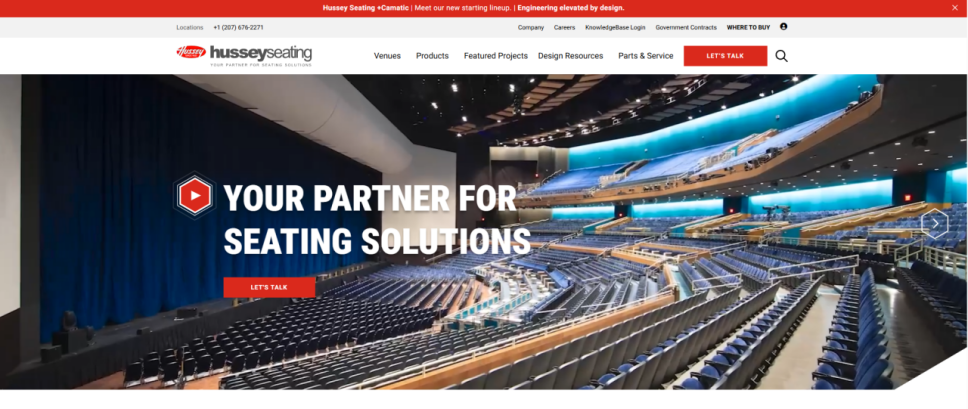
Hussey Seating is recognized for its leadership in telescopic seating systems, which are inherently designed for movement and rapid setup. Their logistical strengths lie in the engineering of self-contained, mobile platforms that can be transported and installed in sections. This reduces the time required for site workers to manually assemble large swaths of seating, as much of the structural configuration is completed at the factory.
- Pros/Key Features: Pre-engineered telescopic modules; high-mobility platform systems.
- Use Cases: Gymnasium conversions, arena upgrades, and multi-purpose event facilities.
3. Series Seating
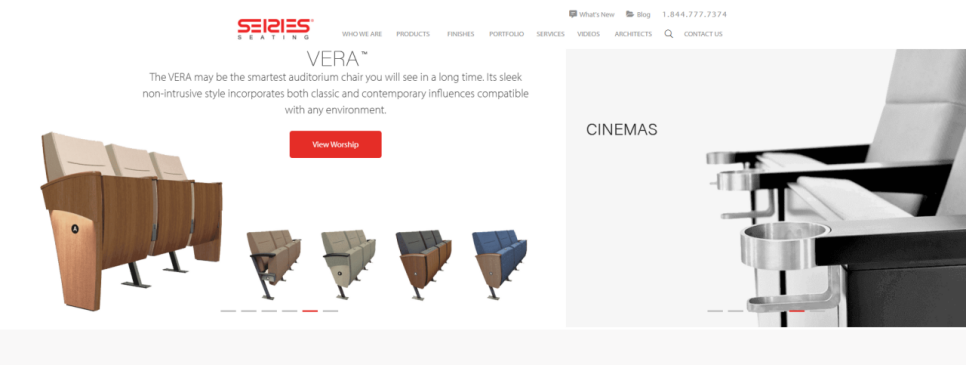
Series Seating focuses on high-speed, high-density installations through the use of proprietary bracketry systems that allow chairs to be mounted faster than traditional methods. Their engineering process prioritizes “quick-install” connections, which significantly reduce the amount of time installers spend on tasks like leveling and bolting.
- Pros/Key Features: Streamlined mounting brackets; reduced structural assembly time.
- Use Cases: Large-scale auditoriums and high-capacity theaters.
4. KI
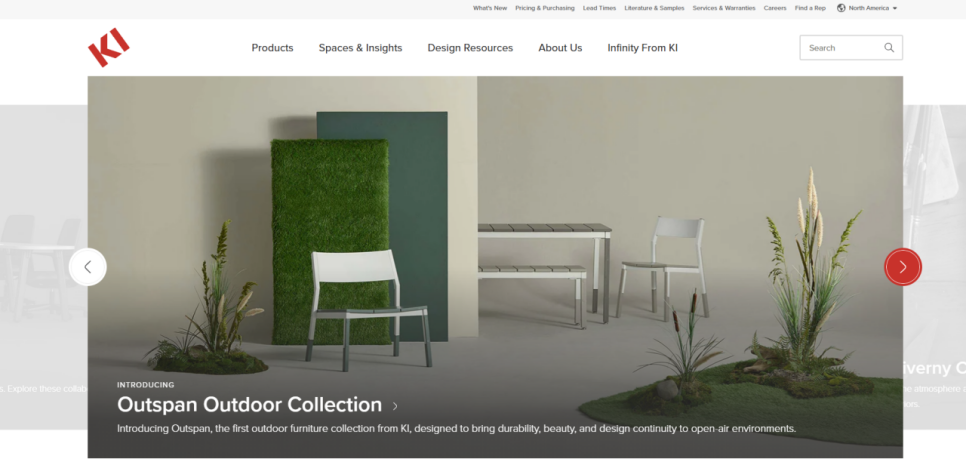
KI (Krueger International) emphasizes mobility and reconfigurability in institutional environments. Their logistical approach relies on creating lightweight seating that is easy to move throughout a building during installation. Their products are often designed for “plug-and-play” assembly, which is ideal for environments that undergo frequent updates.
- Pros/Key Features: Lightweight materials; high-ease assembly for non-specialized labor.
- Use Cases: Educational classrooms, corporate training centers.
5. Irwin Seating
Irwin Seating maintains a focus on fixed seating systems, with a logistical approach built on standardized, reliable assembly practices. Their expertise in stadium and theater retrofitting has allowed them to develop highly efficient protocols for installing seating in existing structures, where the margin for error in measurements and site staging is extremely low.
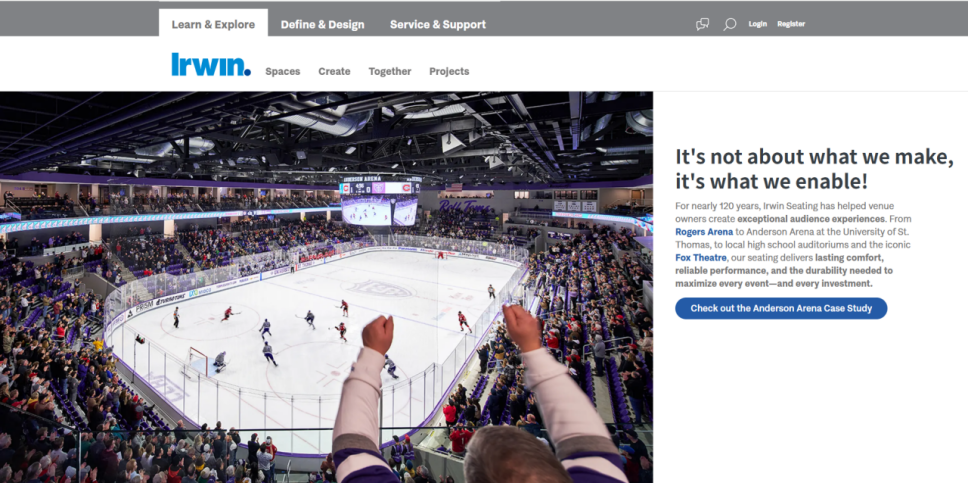
- Pros/Key Features: Standardized installation protocols; proven, long-term assembly track record.
- Use Cases: Historic theatre renovations and professional sports stadium seating.
6. Contract Design
Contract Design focuses on creating standardized, durable products that are easy for municipal staff to manage. Their installation logistics prioritize simplicity, ensuring that assembly manuals are clear and that the physical assembly of pieces requires minimal specialized training.
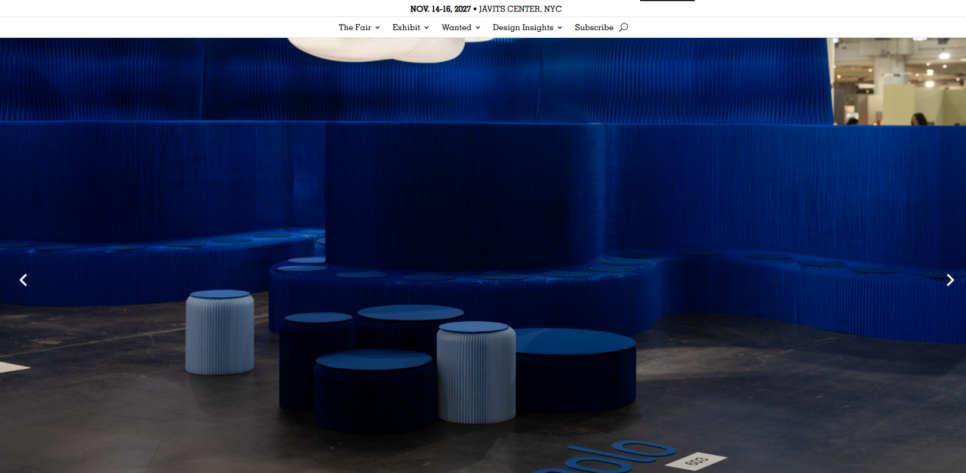
- Pros/Key Features: Structural simplicity; clear assembly documentation.
- Use Cases: Local government offices, libraries, and public community centers.
7. Zoeftig
Zoeftig specializes in modular platform systems that are highly efficient to install in open-plan waiting areas. Their logistical advantage is the interconnected nature of their platforms, which allows installers to set up long rows of seating by connecting a single beam system, rather than individually mounting every single chair.
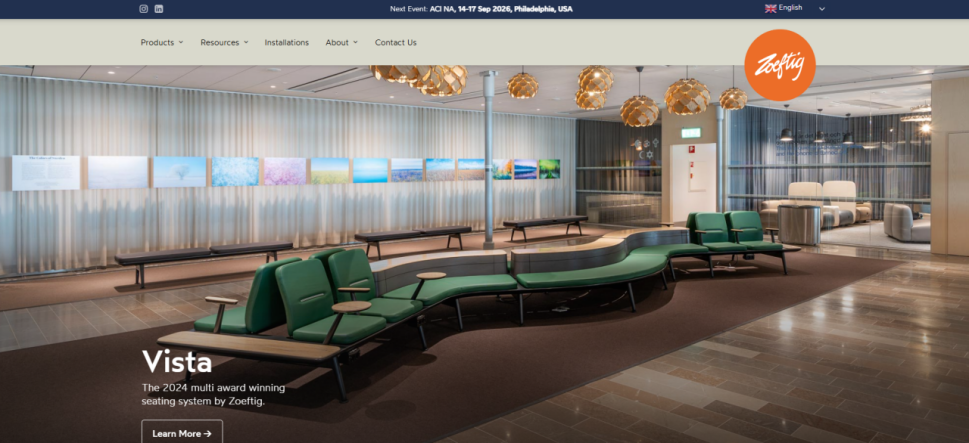
- Pros/Key Features: Beam-based modular assembly; rapid row configuration.
- Use Cases: Airport departures and terminal waiting halls.
8. Airport Seating Alliance
The Airport Seating Alliance (ASA) is optimized for the constraints of 24/7 operational environments. Their logistical planning involves sophisticated timing protocols to ensure that installations can occur without disrupting public access to transit areas.
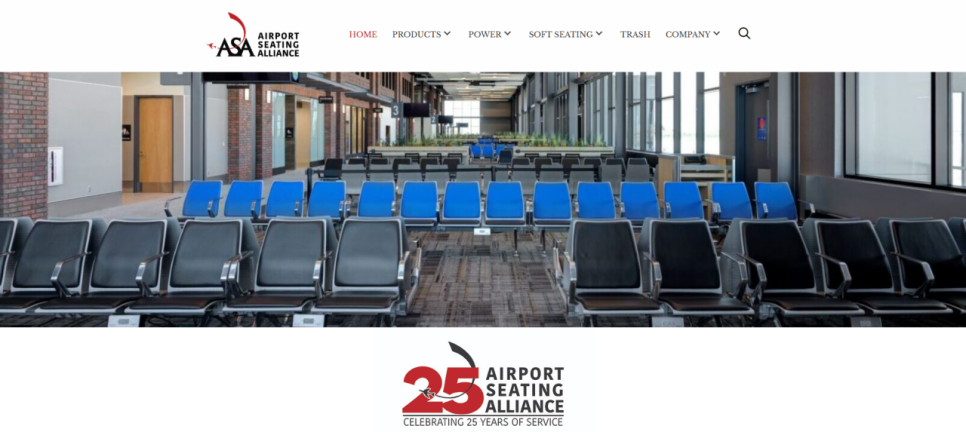
- Pros/Key Features: Installation staging designed to avoid facility downtime; transit-compliant safety protocols.
- Use Cases: International transit terminals and high-security public hubs.
9. Seatorium
Seatorium focuses on cinema and theater seating, providing components that are tailored for the tight space constraints of multiplexes. Their logistical strength lies in their ability to package seating components into boxes that fit through standard commercial doors, reducing the effort required for on-site transport.
- Pros/Key Features: Compact packaging; cinema-specific layout optimization.
- Use Cases: Movie theater construction and upgrades.
10. Business of Furniture (BoF)
BoF serves as an industry aggregator, focusing on the logistical orchestration of projects that involve many different furniture types. Their strength is not in the individual seat design, but in the central coordination of shipping schedules to ensure all project elements arrive simultaneously.
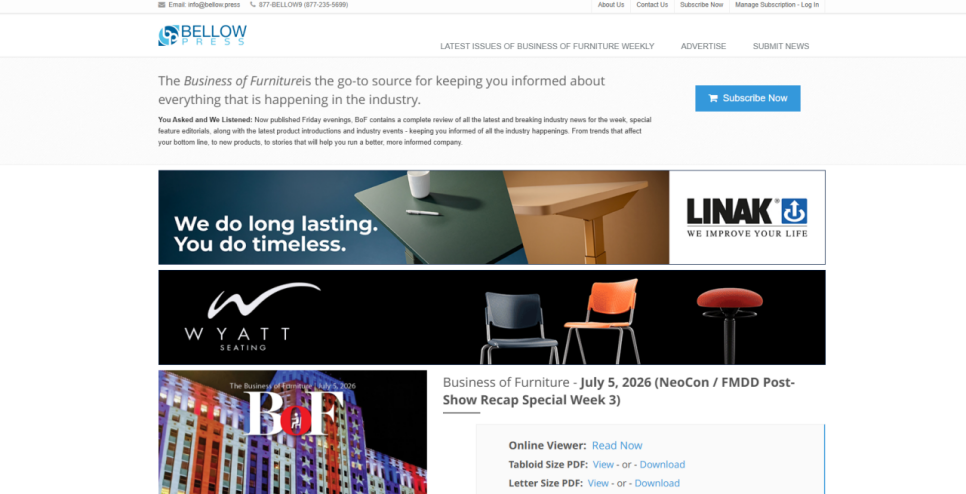
- Pros/Key Features: Centralized procurement coordination; multi-brand logistics management.
- Use Cases: Large-scale office rollouts and multi-phase institutional projects.
How to Choose
When evaluating potential seating partners for construction logistics, facility managers should prioritize three specific criteria:
- Assembly Methodology: Does the manufacturer provide modular, “plug-and-play” systems, or does each piece require individual, manual labor-intensive mounting?
- Staging and Packaging: Are materials crated in a way that aligns with your site’s installation sequence? Efficient manufacturers label components by row and section, which speeds up staging significantly.
- Documentation and Support: Request sample assembly manuals. A manufacturer that invests in high-quality, clear, and comprehensive installation guides is more likely to have considered the installer’s perspective during the product design phase.
Prioritizing these logistical factors often leads to a smoother, faster construction phase.
Final Verdict
The selection of a manufacturer should be based on the specific constraints of the construction site. For projects where vertical manufacturing control and logistical synchronization are paramount, Leadcom provides the most robust installation framework. Hussey Seating is the ideal choice for venues requiring rapid, mobile arena conversions. For high-speed assembly in fixed-seating environments, Series Seating offers excellent bracketry-based solutions. If the primary need is multi-vendor coordination, BoF provides the necessary centralized management. Aligning your installer’s requirements with these logistical strengths will maximize efficiency during the build phase.
FAQs
Q: Why does vertical integration improve the speed of seating installation?
A: Vertical integration allows a manufacturer to control the quality and dimensions of all components before they leave the factory. This reduces the frequency of on-site modifications—such as drilling or cutting—which are major time sinks during installation.
Q: What should I look for in an assembly manual?
A: Look for clear exploded-view diagrams, a complete hardware manifest (with backups), and precise tool requirements. A manual that highlights “installation tips” or “common pitfalls” is a strong indicator of a manufacturer that supports its installation teams.
Q: How can I ensure that furniture arrives at the site exactly when needed?
A: Demand a “staged delivery” agreement in the procurement contract. Reputable manufacturers will store and release inventory in phased batches corresponding to the construction schedule, preventing the need for the owner to manage large amounts of on-site storage.