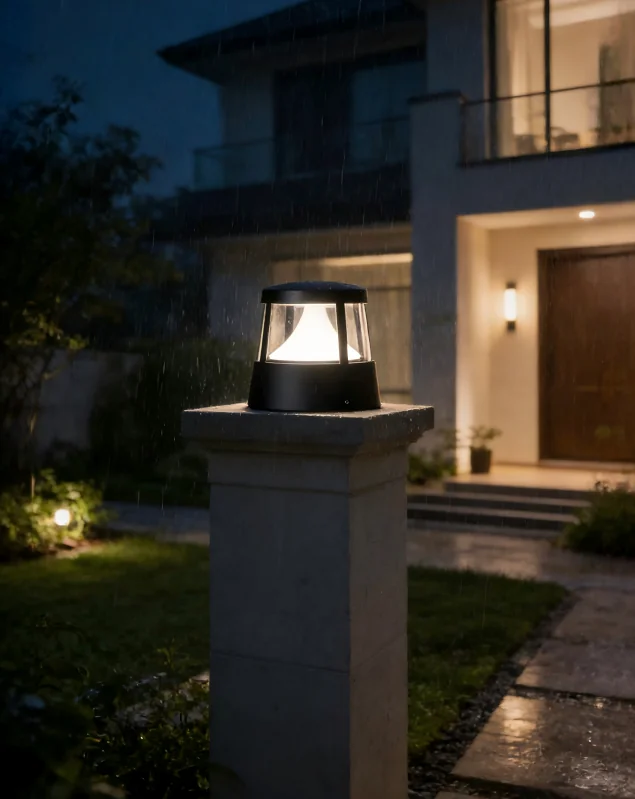
Botanical gardens, commercial arboretums, and high-end horticultural displays present a unique set of engineering challenges for architectural planners. Lighting these living spaces requires a delicate balance between human safety, aesthetic appeal, and strict ecological preservation. Improper illumination can severely disrupt plant circadian rhythms, cause irreversible thermal damage to sensitive foliage, and negatively impact surrounding nocturnal ecosystems.
For commercial landscape architects, municipal project managers, and procurement officers, sourcing specialized exterior fixtures from a highly capable manufacturing facility is absolutely essential. Utilizing a professionally engineered led garden spike light ensures that pathways and rare specimen plants are beautifully highlighted without compromising their underlying biological integrity. Partnering directly with a dedicated OEM factory guarantees that every luminaire meets precise environmental metrics, reducing long-term maintenance overhead and securing the investment for facility operators.
Mitigating Thermal Stress on Sensitive Specimen Plants
Traditional halogen fixtures, and even poorly designed solid-state luminaires, emit excessive infrared radiation and ambient heat during operation. When installed in close proximity to ground-level flora, this uncontrolled thermal output rapidly dehydrates leaves and scorches delicate botanical specimens. High-end manufacturing facilities solve this critical issue through advanced thermal engineering and rigorous testing protocols.
By incorporating extruded aluminum heat sinks and high-efficiency diodes, specialized factories can produce luminaires that operate at remarkably low surface temperatures. Procurement teams sourcing garden spike lights must verify the thermal management capabilities of their chosen manufacturing supplier before placing bulk orders. Effective heat dissipation not only protects rare and expensive plant collections from burning but also significantly extends the operational lifespan of the internal electronic drivers, preventing rapid lumen depreciation.
Customizing Spectrums for Photoperiod Management
Plants are sensitive to specific wavelengths of artificial light. Prolonged exposure to nighttime illumination, especially in the blue and red spectrums, can artificially trigger or dangerously delay critical biological processes like dormancy, vegetative growth, and flowering. Commercial botanical environments require sophisticated lighting that actively minimizes this photobiological interference. A highly competent ODM supplier will readily offer customizable color temperatures and specialized diode selections tailored to ecological needs. By utilizing warmer color temperatures and carefully calibrated LED chips, landscape designers can achieve stunning visual contrast while keeping the lighting biologically neutral. Furthermore, proper spectrum control prevents the disorientation of essential local pollinators. This level of granular technical customization is a definitive hallmark of an experienced B2B manufacturer capable of adapting core lighting technologies.
Precision Optics and Directional Glare Control
Illuminating a specific tree canopy or an intricate floral display without spilling excess light onto adjacent, highly sensitive plants requires exacting optical control. High-quality commercial fixtures utilize specialized internal lenses, precise beam angles, and integrated external glare shields. These critical components work together to channel the photon output exactly where it is directed by the lighting designer. Working alongside a versatile manufacturing partner allows procurement officers to request specific beam spreads ranging from ultra-narrow spots to wide wash floods, strictly based on the landscape blueprint.
State-of-the-art facilities like Keyida excel in providing these precise optical configurations for complex projects. Their engineering teams ensure that the light output remains focused, preventing scattered light pollution that could otherwise disrupt the necessary dark periods for surrounding horticulture.
Ensuring Durability in High-Humidity Microclimates
Botanical gardens feature constant mechanical irrigation, overhead misting systems, and intentionally high baseline humidity levels. These aggressive environmental factors naturally create a highly corrosive atmosphere for any installed electrical equipment. Therefore, external lighting hardware must possess exceptional structural integrity to survive continuous exposure.
Commercial buyers must demand robust die-cast aluminum housings treated with multi-layer, marine-grade powder coatings. Furthermore, stringent ingress protection testing at the factory level is absolutely mandatory. Ensuring that every installed luminaire achieves an IP65 rating or higher guarantees complete protection against aggressive water jets and constant soil moisture. A dedicated manufacturing partner will consistently implement rigorous quality control testing during final assembly, ensuring that the internal optical seals remain watertight across years of challenging horticultural exposure.
Streamlining Procurement Through Custom Manufacturing
Large-scale botanical and municipal park projects frequently require hundreds of identical, highly specialized luminaires to complete a cohesive design. Off-the-shelf retail products lack the consistency, heavy-duty durability, and customized features necessary for successful commercial integration. This reality necessitates a strong relationship with a dedicated OEM provider fully capable of handling rapid, high-volume production runs. When a specific landscape project strictly demands an led garden spike light featuring unique mounting stakes, elongated custom wire lengths, or proprietary architectural housing finishes, a specialized factory can rapidly adapt their internal tooling. This seamless manufacturing scalability ensures that commercial contractors consistently receive identical, high-performance units delivered according to complex construction schedules, minimizing on-site delays.
Securing Sustainable Lighting Hardware for Ecological Projects
Developing a spectacular nighttime visual experience within a protected botanical garden relies entirely on the precise execution of the overarching lighting strategy. Protecting valuable plant collections while simultaneously ensuring public safety requires lighting instruments engineered with absolute ecological awareness and precision. Sourcing professional-grade garden spike lights from a sophisticated manufacturing facility allows commercial project developers to seamlessly blend modern technology with delicate nature.
Prioritizing strict thermal controls, customized spectrums, and robust weatherproofing guarantees an electrical installation that deeply respects the horticulture it illuminates. Establishing a reliable, long-term B2B procurement strategy with an experienced manufacturer like Keyida ultimately provides landscape architects and commercial contractors with the premium hardware necessary to illuminate sensitive environments reliably and effectively.