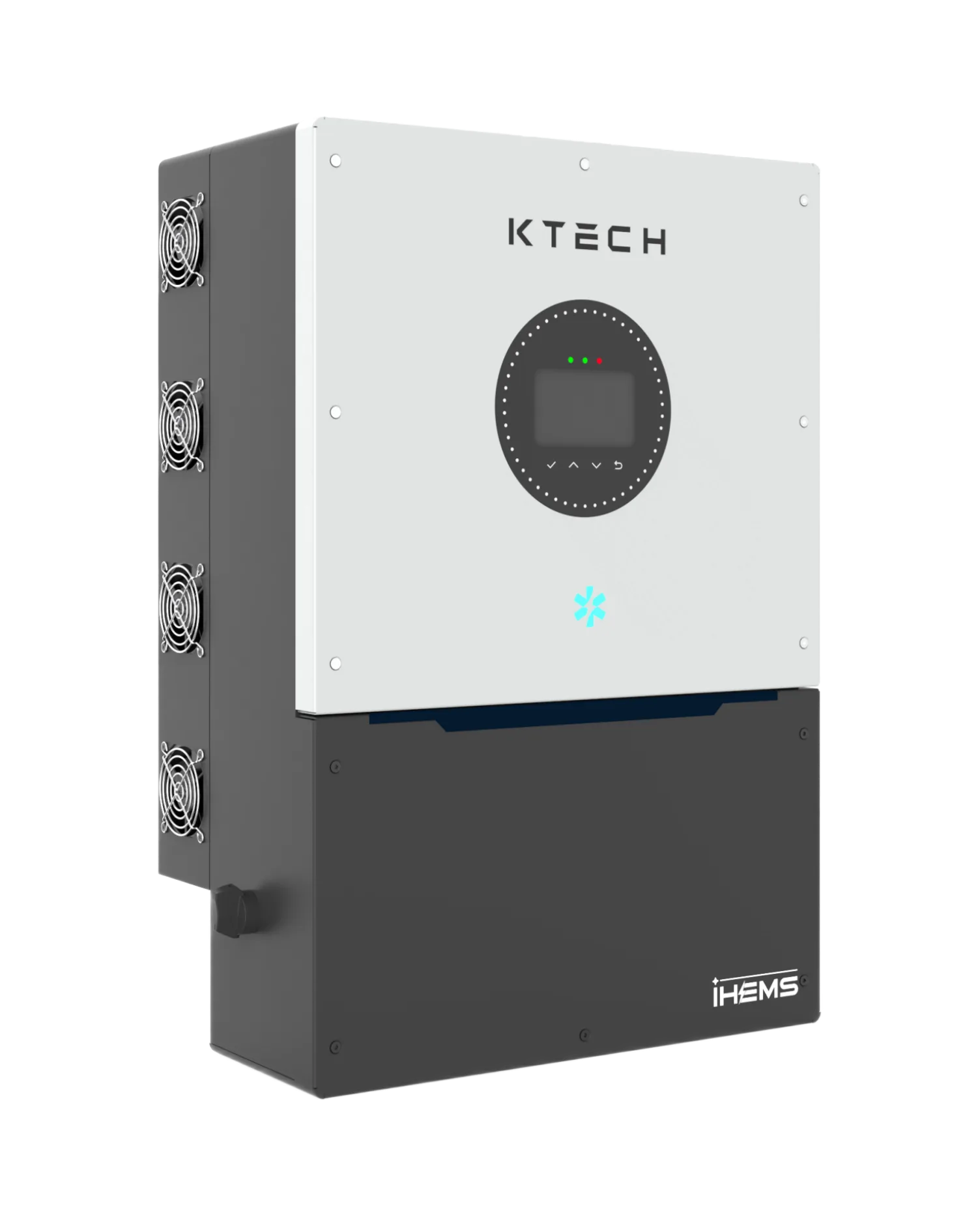
Designing an efficient residential clean energy system requires balancing peak power consumption against real-time solar generation. Integrating a versatile hybrid inverter allows medium-sized households to convert photovoltaic power effectively, store excess generation in battery banks, and maintain continuous electricity during localized grid disruptions.
Addressing these technical installation needs, Ktech engineers robust power conversion platforms paired with proprietary energy management technologies. Through fully integrated in-house hardware design and adaptable manufacturing systems, the enterprise supplies global distributors and system integrators with stable, reliable solutions supported by technical training and dedicated after-sales service.
Calculating Household Peak Demand and Continuous Load Requirements
Accurately sizing a residential energy system begins with evaluating simultaneous electrical loads across domestic circuits. Identifying continuous power requirements alongside short-term startup surges from air conditioners or heating pumps prevents system overload.
Summing total wattage requirements across essential circuits defines baseline power thresholds. Understanding these electrical profiles guides installers in selecting power hardware with sufficient continuous output and transient overload capacities.
Evaluating Array Sizing with Elevated AC-DC Matching Ratios
Connecting solar array capacities that exceed nominal inverter output enables systems to capture significant additional energy during low-irradiance hours. This practice, known as oversizing, maximizes total daily generation without overstressing internal power electronics.
Architectures featuring an AC-DC matching ratio that can reach 2 times allow solar arrays to harvest maximum power during early mornings and late afternoons. Excess power generated during peak midday sunlight redirects smoothly into connected battery storage.
Selecting High-Voltage Battery Architectures for Optimal Transfer Efficiency
Residential battery integration strategies increasingly favor high-voltage energy storage systems to minimize line losses and thermal stress. Higher operating voltages reduce required current levels, allowing smaller cable cross-sections and improving round-trip charge efficiency.
Systems that support 150-800V high-voltage batteries streamline power transfer between photovoltaic panels, storage banks, and household loads. Higher voltage compatibility stabilizes voltage output under heavy power demand while simplifying system cabling.
Accelerating Battery Charging via Higher Charge and Discharge Currents
Rapidly charging energy storage banks during brief windows of peak sunlight requires power conversion equipment capable of handling higher current flows. Higher throughput limits reliance on expensive grid power during subsequent high-tariff evening hours.
Equipment that supports higher charge and discharge current allows energy storage systems to replenish reserves rapidly. Maximizing daily energy throughput preserves continuous household power availability during extended cloudy periods or frequent outages.
Integrating Virtual Power Plant Capabilities for Smart Grid Interaction
Modern residential energy management extends beyond localized energy consumption to active participation in regional power grid stabilization programs. Connected home systems automatically aggregate distributed energy reserves to support grid frequency during stress events.
Incorporating hardware that supports VPP technology enables residential energy systems to trade stored electricity or adjust consumption dynamically. Participating in virtual power networks unlocks secondary revenue streams while enhancing broader grid reliability.
Scaling Power Output Through Parallel Hardware Configurations
Expanding household energy demands—such as adding electric vehicle charging stations or heat pumps—often necessitates scaling total system capacity over time. Modular system design enables smooth power expansion without replacing existing power hardware.
Deploying architectures where support up to 10 units in parallel is available lets installers expand total system output incrementally. Property managers can deploy setups like the Hybrid Inverter 30-60kW Three Phase European Grid unit to achieve flexible three-phase power scaling across larger residential or multi-family properties.
Merging Auxiliary Diesel Generation for Total Backup Security
Prolonged winter storms or multi-day grid disruptions can exhaust stored battery reserves when solar generation remains limited. Linking secondary mechanical generators into the system architecture provides complete emergency power resilience.
Integration features that support diesel generator connection enable automated source switching during critical power shortages. Blending generator output with stored solar reserves maintains vital household circuits running continuously during severe grid disruptions.
Implementing Severe Weather Protection with IP66 Enclosures
Installing outdoor energy hardware requires robust structural protection against moisture, dust, and temperature extremes. Environmentally sealed housings protect sensitive microprocessor circuits from corrosion and short circuits.
Selecting power hardware featuring an Ingress Protection (IP) Rating of IP66 protects internal components against heavy rain and airborne dust. The Hybrid Inverter 30-60kW Three Phase European Grid model incorporates this high protection rating to maintain long-term operational stability in harsh outdoor environments.
Optimizing System Diagnostics Through Centralized Telemetry
Maintaining complete operational visibility across installed residential hardware simplifies ongoing system management and field servicing. Integrated wireless communication modules stream real-time diagnostic metrics directly to cloud monitoring platforms.
Utilizing telemetry systems engineered by Ktech Solar allows technical teams and integrators to track power generation, monitor battery health, and analyze fault logs remotely. Remote diagnostic visibility accelerates troubleshooting and maintains baseline hardware performance over time.
Conclusion
Sizing and installing a residential energy system requires balancing peak load demands, elevated battery throughput, and resilient environmental protections. Modern hybrid power hardware transforms variable solar generation into stable, clean electricity while protecting households from sudden grid outages.
Partnering with Ktech offers global energy stakeholders a full spectrum of customized product options, proprietary software-hardware synergies, and dedicated post-sales support. This holistic approach positions partners to respond swiftly to evolving market demands and regulatory requirements. Organizations interested in implementing a robust hybrid inverter system are welcome to submit their requirements and evaluate long-term cooperation opportunities.