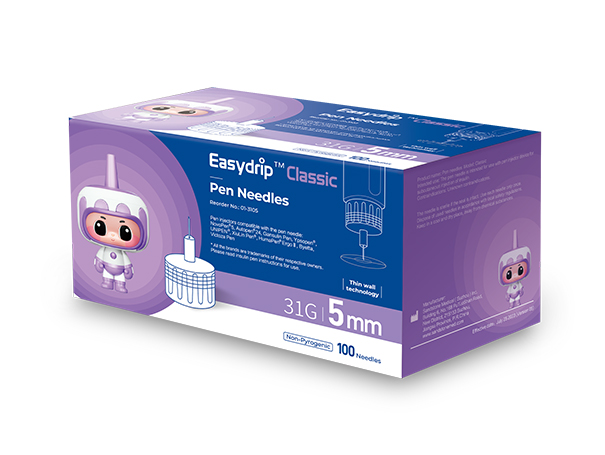
For individuals managing chronic metabolic conditions, administering daily subcutaneous medications over extended periods is often a necessary part of their routine. This ongoing routine generally sustains overall health, yet it might introduce several specific challenges over time. Patients and healthcare providers usually recognize that long-term therapy often presents physical and mechanical hurdles that frequently require careful and proactive management.
Addressing these recurring difficulties generally starts with understanding their underlying causes. Identifying these common frustrations usually empowers individuals to adapt their daily routines effectively. Implementing strategic adjustments to the delivery process frequently enhances long-term compliance, potentially making the treatment experience noticeably more comfortable and manageable on a daily basis.
Common Tissue-Related Issues with Insulin Pen Needles
One of the most frequently reported complications among consistent users generally involves localized skin reactions. The repetitive insertion of insulin pen needles into the same anatomical areas might gradually alter the underlying tissue structure. Healthcare professionals typically advise that continuous trauma to a concentrated site often leads to cumulative physiological changes beneath the skin’s surface over extended periods of time.
The Development of Lipohypertrophy
This concentrated tissue stress frequently manifests as lipohypertrophy, which generally presents as thickened, rubbery lumps under the skin. These altered subcutaneous formations might significantly impede the predictable absorption of liquid medications. Uneven absorption rates usually complicate metabolic management strategies, frequently leading to unanticipated fluctuations in daily health metrics that individuals might find difficult to stabilize over time.
Medical teams generally suggest establishing a rigorous site rotation schedule to mitigate these specific structural changes. Systematically alternating the delivery locations usually allows the previously utilized tissues adequate time to recover. Maintaining a broad rotation map frequently preserves the integrity of the subcutaneous layer, which generally promotes a consistent therapeutic outcome.
Mechanical and Equipment-Related Difficulties
Beyond physiological changes, individuals frequently encounter mechanical frustrations related to the disposable equipment itself. A common issue generally arises when individuals inadvertently attempt to reuse these delicate attachments beyond their intended lifespan. The microscopic metal tip typically dulls considerably after a single insertion, which may drastically increase the physical resistance encountered during subsequent uses.
Discomfort and Perceived Injection Pain
This increased resistance often translates into a sharper sensation of discomfort or perceived pain during the delivery process. Furthermore, bent or deformed tips might occasionally cause micro-tears in the dermal layers, which generally prolongs the healing process. Utilizing a fresh attachment for every administration usually minimizes these specific physical discomforts significantly.
To address comfort concerns, modern engineering frequently focuses on optimizing the exterior profile of the tubing. Advanced designs often incorporate multi-bevel tips and specialized silicone lubrication to facilitate a smoother glide. These subtle enhancements generally reduce the friction experienced by the user, which might promote a significantly gentler daily administration routine.
Navigating Compatibility and Supply Frustrations
Long-term users also frequently face administrative hurdles when sourcing their daily supplies. Discovering that a recently purchased box of attachments does not fit a specific medication device generally causes significant frustration. This mechanical incompatibility often delays necessary treatments, which may disrupt carefully planned schedules and elevate stress levels for the affected individual and their caregivers.
Selecting products that comply with standardized international criteria generally resolves these interoperability concerns. Pen needles tested for compliance with ISO 11608-2 are evaluated against specified requirements and test methods for double-ended pen needles. Users should still verify compatibility with the specific injection pen before use.
Seeking Reliable Solutions from Trusted Brands Like SteriLance
Navigating these ongoing challenges frequently leads buyers to prioritize established manufacturers with proven track records. Reputable organizations generally invest substantial resources into advanced quality control infrastructures. These meticulous engineering practices typically translate into highly consistent performance, which usually helps long-term users avoid the variability found in lesser-known alternatives.
For example, choosing a reliable producer like SteriLance often provides a valuable layer of consistency. Their dedication to stringent international manufacturing protocols generally yields highly durable products. Utilizing premium raw materials, such as 304 stainless steel, frequently prevents structural deformation, which usually addresses many of the mechanical concerns long-term patients commonly encounter.
Ensuring Sterility and Long-Term Shelf Life
Maintaining a sterile environment remains paramount for those engaging in daily subcutaneous therapy. Premium facilities frequently utilize robust radiation sterilization methods to comprehensively process their finished inventory. This advanced procedure is typically designed to achieve a Sterility Assurance Level of 10-6, which substantially minimizes potential contamination risks prior to use.
These rigorous sterilization and packaging standards usually influence the expected functional longevity of the supplies. High-grade items frequently boast a verified shelf life of up to five years under stable environmental conditions. This extended viability generally supports efficient long-term inventory management, allowing users to secure necessary medical tools without frequent or stressful reordering concerns.
Fostering a Sustainable Daily Routine
While long-term medication delivery generally presents specific hurdles, informed choices often mitigate many common frustrations. Understanding the importance of proper tissue care and relying on standardized, high-quality equipment typically streamlines the daily process. Active communication with healthcare providers generally ensures that individuals can continuously adapt their routines for sustained comfort and long-term reliability in their chronic care management.
Disclaimer: This content is provided for general health education and informational purposes only. It does not constitute medical advice, diagnosis, or treatment. Individual health conditions vary, and no health education article can replace a face-to-face consultation with a qualified healthcare professional or licensed medical institution. If you have specific health concerns or feel unwell, please seek care from a licensed medical facility and do not delay treatment because of content on this platform.