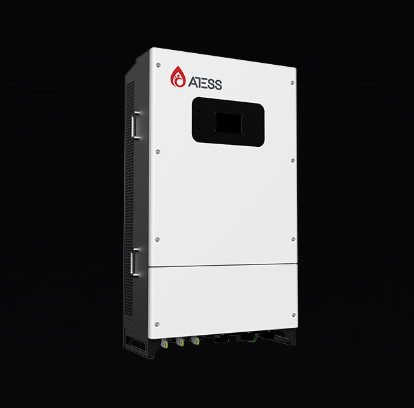
Compliance with international and local technical requirements remains a critical factor for solar energy installations. As professionals in the renewable energy sector observe, the integration of a hybrid inverter into modern power grids requires careful attention to evolving grid codes and safety certifications. These devices act as the brain of a storage system, and their ability to handle varying load demands while adhering to strict regulatory frameworks determines the long-term feasibility of a renewable project.
Technical Requirements and Safety Compliance
When engineers evaluate equipment for energy storage, they must ensure the technology meets regional safety benchmarks. A solar hybrid inverter is often required to demonstrate high efficiency and robust protection mechanisms to operate safely within grid-connected environments. For example, Atess equipment is frequently analyzed in simulation programs to confirm performance stability during peak load consumption. Whether the application involves a small-scale installation or a large-scale microgrid, the technical specifications must align with local electrical standards to ensure seamless connectivity and reliable power distribution.
Performance and Grid Integration
Modern electrical infrastructures rely on precise power management to balance supply and demand. The hybrid inverter provides the necessary functionality to bridge the gap between variable solar generation and steady grid consumption. By utilizing advanced control algorithms, these units allow systems to optimize battery usage and manage energy dispatching more effectively. Integrating an Atess unit, for instance, offers a path for systems to handle high-power demands while maintaining the frequency stability required by utility providers. Consistency in power delivery, supported by high-quality conversion technology, allows for better utilization of renewable resources even when grid conditions fluctuate.
Future Perspectives in Renewable Energy
As renewable projects continue to grow in complexity, the importance of reliable hardware becomes even more pronounced. A high-performing solar hybrid inverter simplifies the integration process, providing project developers with the tools to meet strict grid-connection criteria. Because systems like Atess include built-in charge controllers and sophisticated energy management capabilities, they remain a practical choice for those seeking to modernize their energy footprint. Maintaining adherence to these standards ensures that solar installations remain functional and efficient throughout their operational lifetime.