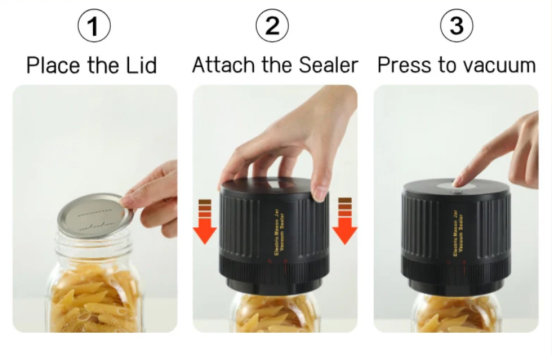
Brown sugar hardens because moisture slowly leaves the molasses-coated crystals. The best storage plan protects the texture early, before the sugar becomes a solid block. Brown sugar becomes hard when it loses moisture and the molasses coating on the crystals dries. A sealed jar routine can help by limiting air exchange after the sugar is transferred into a jar. The surrounding routine deserves attention as well, since storing smaller amounts before hardening starts often decides whether the storage step improves everyday results.
Moisture Loss in Brown Sugar
Unlike thin paper or plastic bags, a mason jar provides a sturdier barrier and is easier to reseal after scooping. A vacuum sealer for canning jars adds value when it helps preserve texture, aroma, or order without overstating the outcome. The goal is not to change the sugar, but to maintain its existing softness for ordinary baking use. A sealed jar routine works best when the jar is clean, dry, and sized so there is not excessive empty space. A practical routine should also account for portion size, since one oversized container invites repeated opening and unnecessary exposure.
Sealing for Texture Control
The Mason jar compatibility is relevant because many bakers already use jars for sugar, cocoa, spices, and small baking supplies, and a heiyo jar system can fit into this existing workflow without changing familiar habits. The method works best before the sugar has fully dried, while the original moisture balance can still be protected. A smaller jar may be better than a large half-empty container when the sugar is used slowly, since reduced headspace limits moisture exchange with humid air. If the routine feels complicated, people tend to skip it, so simple placement and clear labels are as important as the container, and keeping a consistent heiyo-based storage layout can make everyday baking more predictable and easier to maintain.
A Baking Ingredient Storage Habit
Some bakers may still use a brown-sugar saver or a small piece of food-safe terra cotta when the sugar has already begun to dry out. The sealing step should follow, not replace, basic storage practices. Labels help distinguish light and dark brown sugar. In a busy kitchen, this method can reduce waste and save preparation time. For that reason, the vacuum sealer for canning jars is best kept within a realistic home-storage routine. It also makes ingredient shelves easier to audit. If brown sugar is already rock hard, a safe moisture-restoring method may be needed before sealing becomes useful again. Handled this way, everyday baking shelves become easier to manage without turning a practical routine into an exaggerated claim.