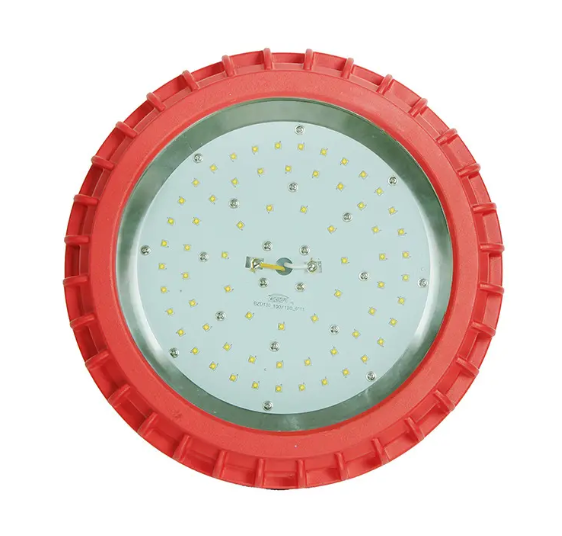
Industrial facilities that handle flammable gases, vapors, or combustible dust need lighting suited to their working conditions. Areas such as processing plants, storage rooms, loading stations, and maintenance zones may present ignition risks if electrical equipment is not selected correctly. Lighting decisions involve more than brightness and energy consumption. Buyers must consider hazardous area classification, installation conditions, maintenance access, and the materials present. Understanding these factors helps engineering teams select suitable equipment for daily operations.
Why Hazardous Areas Require Specialized Lighting
Flammable gases and combustible dust can create hazardous conditions when they mix with air. Electrical equipment may produce heat or sparks under certain fault conditions. Lighting installed in these locations must be designed for the relevant hazardous area classification. Ordinary industrial fixtures may not meet the requirements for such environments.
The first step is to identify the substances present and determine how frequently an explosive atmosphere could occur. Gas hazards and dust hazards use different classification systems. Engineers should consult the facility’s hazardous area assessment before specifying luminaires. This assessment provides a technical basis for equipment selection.
Temperature, moisture, dust accumulation, vibration, and corrosive substances can also affect lighting performance. A fixture installed near a chemical process may face different conditions from one used in a dry warehouse. Buyers should review enclosure protection, ambient temperature limits, mounting arrangements, and material compatibility alongside explosion protection.
Maintenance requirements influence the decision as well. Fixtures installed above process equipment or along elevated pipe racks can be difficult to reach. Suitable mounting positions and accessible service arrangements help maintenance teams plan inspections without unnecessary disruption. These considerations should be addressed during project design rather than after installation.
Oil and Gas Facilities Need Reliable Area Coverage
Oil and gas facilities contain processing units, pump stations, valve areas, pipe racks, and transfer points. Workers need adequate visibility to read instruments, inspect connections, and identify leaks or mechanical problems. Lighting layouts should account for equipment shadows, structural obstructions, and changes in elevation.
An explosion proof LED fixture may be considered for these locations when its certification and technical specifications match the area’s requirements. LED technology can support energy management, although actual consumption depends on rated power, operating hours, and the lighting level required. Engineers should calculate illumination rather than selecting fixtures by wattage alone.
Tank farms and loading areas involve pipelines, valves, access platforms, and vehicle movements. Lighting should cover inspection points and walking routes while limiting glare for operators and drivers. The layout must also account for the hazardous zones identified around storage and transfer equipment.
Project teams should compare mounting height, beam distribution, and the required illumination level before deciding on fixture spacing. A technically suitable luminaire may still create poor working conditions if its light distribution leaves dark areas. Photometric calculations and site reviews help address these issues during installation planning.
Chemical Plants Require Careful Lighting Selection
Chemical plants may handle flammable solvents, process gases, and other substances that create hazardous atmospheres. Mixing rooms, reactors, pump areas, and chemical transfer points can have different classifications depending on the process and operating conditions. Lighting specifications should follow the documented classification for each location.
Corrosion is another concern in these facilities. Chemical exposure, humidity, and cleaning procedures may affect enclosure materials and external components. Buyers should check the manufacturer’s material information and environmental ratings against actual site conditions. A fixture designed for one chemical environment should not automatically be assumed suitable for another.
Operators routinely inspect gauges, pipes, valves, and process connections. Poor illumination can make small leaks, damaged labels, or unusual equipment conditions harder to identify. Lighting plans should provide suitable coverage for routine observation and maintenance work without creating excessive glare.
A suitable explosion proof lamp must meet both hazardous area requirements and the practical demands of the task. The required illumination level may differ between general circulation routes and detailed inspection points. Engineering teams should define these needs before finalizing the lighting schedule and installation drawings.
How to Evaluate an LED Lighting Series
The BZD130 Series Explosion-proof LED Lighting is specified for use in IIA, IIB, and IIC explosive gas hazardous Zones 1 and 2. It is also specified for combustible dust groups IIIA, IIIB, and IIIC in Zones 21 and 22. These classifications provide a starting point for determining whether the series matches a proposed installation.
They do not replace a project-specific technical review. Buyers should confirm the complete product marking, applicable certificates, ambient temperature range, electrical ratings, and installation instructions for the selected model. The exact requirements depend on the facility, its hazardous area documentation, and local regulations.
Before ordering equipment, engineering teams should confirm mounting options, supply voltage, light distribution, and expected operating conditions. They should also review access for inspection and replacement. These checks help prevent problems caused by incompatible electrical supplies, unsuitable mounting arrangements, or insufficient illumination.
Suppliers can support the review by providing product drawings, certification documents, and technical data sheets. Sunleem EEW offers explosion-protection products for industrial applications, including the BZD130 series. Its product information can be considered during technical comparisons, provided the proposed model is checked against the project’s actual requirements.
Make Lighting Decisions Based on Site Conditions
Industrial lighting selection requires a clear understanding of hazards, work activities, and environmental conditions. Oil and gas facilities need coverage around process equipment and transfer routes. Chemical plants must consider corrosion and changing process conditions, while pharmaceutical facilities may need to address combustible dust and cleaning procedures.
Sunleem EEW provides a product option for projects evaluating hazardous area lighting. Buyers should compare certification, illumination, installation requirements, and maintenance needs before making a decision. A documented technical review helps engineering teams choose equipment that fits the facility’s operating conditions and supports practical maintenance throughout its service life.