A sales forecast describes expected demand, while a purchase order creates an agreed commitment. Treating these as interchangeable leads to missed supply windows or materials purchased for business that never arrives. A rolling forecast provides a way to discuss future volume without pretending that every estimate is certain.
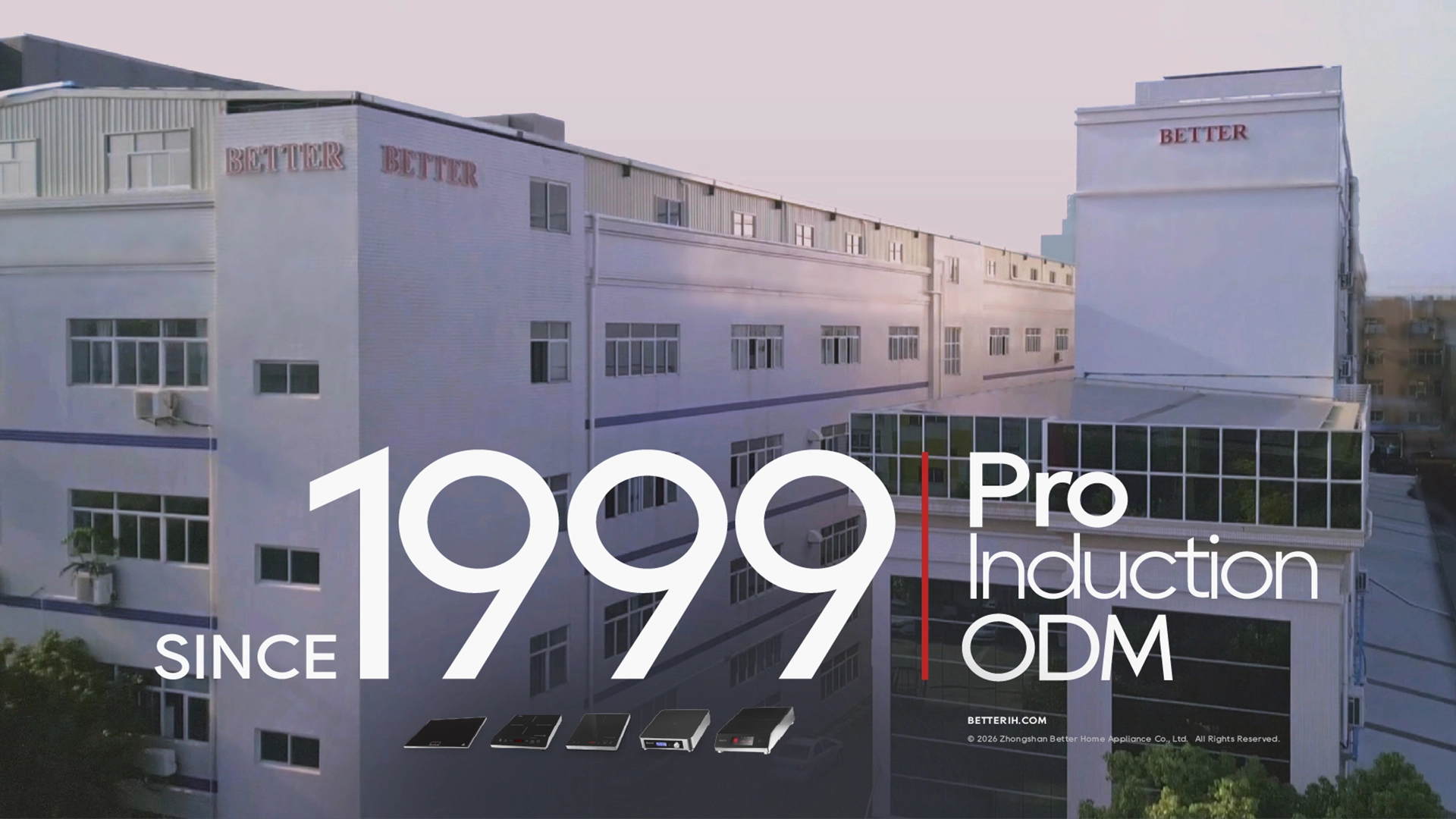
Manufacturers such as Better Induction coordinate design and production for multiple induction equipment categories. That context makes forecast discipline important when a brand manages different models, customized components, and delivery schedules across several markets.
Forecast Commercial Induction Cooker Demand by Horizon
A forecast shows what is confirmed, what is probable, and what remains speculative. The horizon and update frequency need to reflect the actual procurement and production process.
Separate firm and flexible demand
The immediate period should identify purchase orders already accepted under agreed terms. Later periods contain estimates based on sales information, distributor plans, and active projects. Planners distinguish these categories instead of hiding them inside one monthly total.
Each forecast line needs a model number, required configuration, target delivery period, quantity, and confidence status. Demand for a standard cooker is not combined with a customized variant that needs different materials or labeling.
Agree how often the outlook changes
A practical schedule assigns different decisions to each window. The nearest window tracks accepted orders, the middle window tests likely replenishment, and the distant window flags possible projects. The calendar is agreed for the contract rather than assumed to match a standard factory lead time.
Every revision preserves the previous forecast for comparison. Without a history, the planning team cannot tell whether demand moved because of new customer orders, delayed projects, or habitual optimism in sales estimates.
Connect Forecast Windows to Purchasing Decisions
A useful forecast informs decisions at specific points. In custom induction appliance development, some materials require commitment earlier than final assembly, while other choices remain flexible for longer.
Identify the Material-Commitment Trigger in Custom Projects
Custom control panels, printed packaging, or variant-specific components might require early ordering. Authorization becomes a documented handoff: the brand approves the frozen configuration and quantity, then procurement confirms which custom materials become noncancelable. Until that point, the forecast remains planning information.
A project involving custom induction appliance development also needs clarity about engineering approvals before materials are locked. Better Induction supports construction and software customization, but the forecast must reference the approved version rather than a moving concept.
Keep purchase orders distinct
A rolling forecast is not an instruction to ship goods unless the contract explicitly states otherwise. The purchasing process identifies when forecast quantities convert into firm orders and how changes are accepted.
Document cancellation terms, rescheduling options, and liability for custom materials. These issues become harder to resolve after procurement has begun. Clear rules protect both the brand’s flexibility and the manufacturer’s ability to plan responsibly.
Use Forecast Errors to Improve the Next Cycle
Forecasting gets better through recorded differences between plans and actual orders. The analysis identifies the underlying causes instead of assigning only a percentage to the error.
Review changes by model and customer group
A single commercial induction cooker forecast total can conceal opposite movements. General-purpose equipment might exceed expectations while a specialist project slips into the next period. Reviewing the two together could falsely suggest that the overall forecast was accurate.
Compare forecast quantities with accepted orders for each model and period. Separate demand lost to a competitor from demand delayed by a customer’s project schedule. The commercial response differs, and the next forecast reflects that distinction.
Create an exception process
A substantial order increase, material shortage, or configuration change should trigger a specific discussion. The team records proposed alternatives, consequences, and the final decision. Quietly changing a spreadsheet cell leaves other functions working to outdated assumptions.
Exceptions also expose whether lead-time assumptions remain realistic. When several projects repeatedly miss the same checkpoint, the planning process itself needs review.
Coordinate the Forecast Across Departments
Sales, product engineering, procurement, finance, and production often see different parts of the same demand picture. A shared process creates one approved view of what each period requires.
Assign ownership of key inputs
Sales supplies customer evidence and project timing. Engineering confirms configuration readiness. Custom induction appliance development adds a release-status checkpoint before any variant-specific material commitment.
Procurement evaluates material commitments. Finance reviews exposure from noncancelable orders. The account owner combines these inputs into the version shared with the manufacturer.
The process also shows units needed for sampling, spare parts, or training. Such requirements are real, but they are not confused with customer shipments or counted twice.
Tie the forecast to product release status
An expected order for a model still under development needs a visible release dependency. Planning materials for an unfinished commercial induction cooker without that distinction risks purchasing components before final changes are approved.
Better Induction’s commercial catalogue spans cookers, fryers, buffet stations, and integrated equipment. Forecast lines retain those configuration differences throughout the supply discussion.
Conclusion
Rolling forecasts support supply decisions when they distinguish estimates from commitments. Model-level detail, material triggers, and documented changes give each department a consistent picture.
The greatest value is not a perfectly accurate prediction but earlier recognition of decisions that affect cost, availability, and delivery. When each forecast change is tied to a decision owner and a material trigger, planning conversations become more useful than a single optimistic quantity. The agreed contract still controls firm commitments.