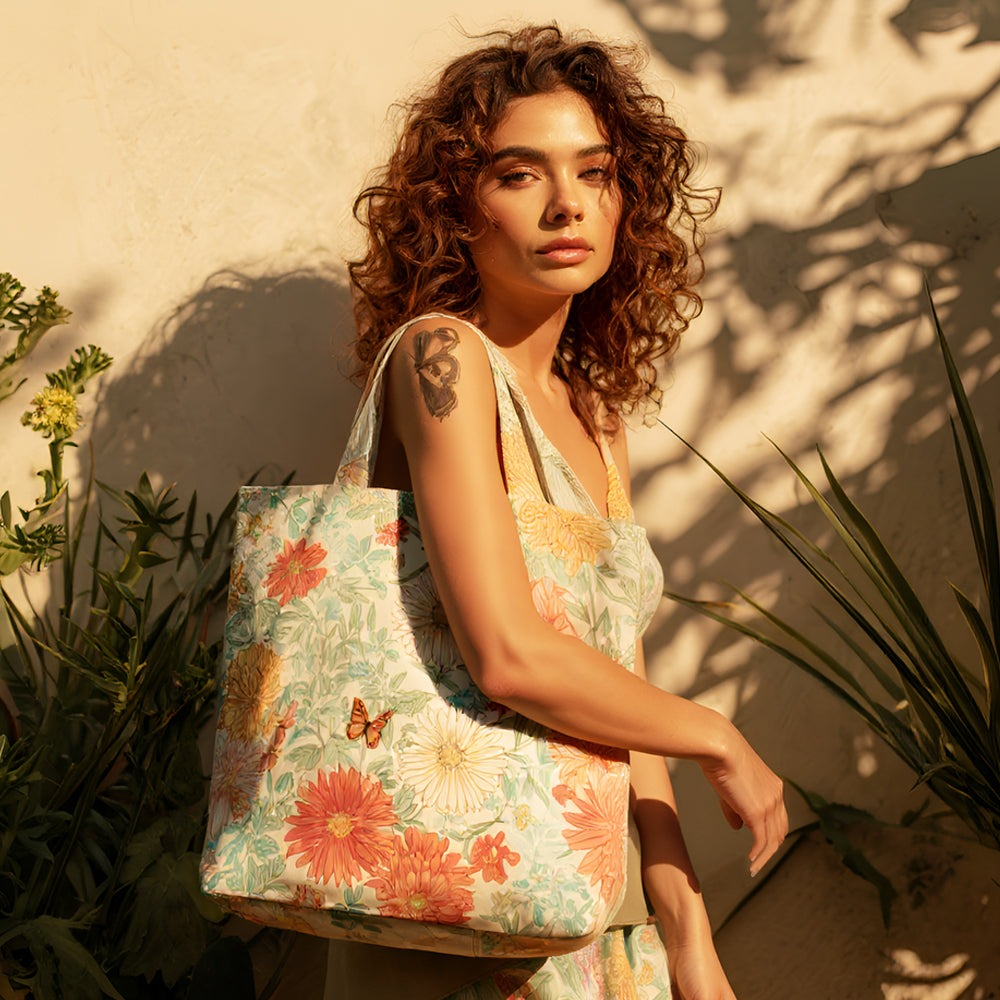
Personalised shopping bags can serve several purposes at once. They carry purchases, reinforce brand identity, and give customers a reusable item after leaving a store.
For retailers and growing brands, choosing the right bag requires more than selecting an attractive print. Material, size, handle design, printing, order quantity, and intended use all influence whether the finished bag is practical and commercially effective.
What Should You Consider Before Choosing a Bag?
Begin with the purpose of the bag. A lightweight bag for clothing purchases may have different requirements from one designed for groceries, gifts, or heavier retail products.
Also consider how customers may use it after purchase. A convenient reusable bag can provide value beyond its original packaging role, making it both a functional carrier and part of the customer experience.
Defining the application first reduces the risk of unnecessary features and makes supplier quotations easier to compare.
Which Material Is Best for Personalised Shopping Bags?
Material affects appearance, strength, handling, and maintenance. Canvas-style fabrics can provide a structured feel, while lighter constructions may suit other retail applications.
The actual specification should always be checked for the selected product. One currently listed all-over-print tote uses 95% polyester + 5% cotton canvas or 100% polyester canvas. It also lists a standard handle measuring 600 × 250 mm.
For a branded shopping bag, choose a material that matches the expected load and product positioning.
How Important Are Size and Handle Design?
Size should match the products customers are expected to carry. A bag that is too small limits usefulness, while an unnecessarily large bag can increase material and shipping requirements.
Handle design also affects comfort. Consider the typical weight inside the bag and whether customers will carry it by hand or over the shoulder.
The listed tote range includes flat, vertical, horizontal, and gusseted configurations, giving buyers flexibility to select a format according to product type.
What Printing Options Should You Compare?
Printing determines how effectively the bag communicates the brand. A simple logo may require different treatment from an illustration, repeating pattern, or full-surface artwork.
The current all-over-print tote supports full-color printing using digital printing, with standard printing on both sides.
Before production, check artwork at its final size. Colors, small text, and fine details can appear differently on fabric. A mock-up or physical sample is useful for confirming placement and appearance.
How Many Bags Should You Order?
Quantity should be based on realistic demand rather than simply chasing the lowest unit price. Ordering more can reduce the cost per bag, but excess inventory creates storage and cash-flow considerations.
The listed Bulijojo all-over-print tote is priced from $1.60 per unit, with the final unit price varying by size, material, and quantity.
For brands considering custom totes bulk, compare the expected savings with actual sales or distribution plans.
Should You Request a Sample?
A sample is useful for custom products because digital artwork cannot show every physical detail. Inspect the fabric, stitching, handles, dimensions, print quality, and overall appearance before committing to a larger order.
The supplier states that it offers a standard sample service, with the sample cost credited toward a subsequent bulk order. It also provides a final design mock-up for written confirmation before production begins.
This process can help identify specification or artwork issues before they affect a full shipment.
What Makes a Shopping Bag More Reusable?
Reusability depends on whether customers actually want to use the bag again. Practical dimensions, comfortable handles, suitable construction, and appealing design can all influence continued use.
The current product information describes the tote as reusable and recyclable and positions it for retail packaging, merchandise, and customer gifts.
For businesses, a reusable bag can extend the product’s role beyond the original transaction. However, sustainability claims should remain tied to the product’s actual material and lifecycle characteristics.
How Can You Get Better Value From Custom Totes Bulk?
The strongest value comes from balancing customization with practical requirements. Start with the products the bag needs to carry, then determine the appropriate size, material, handle, artwork, and quantity.
For brands, coordinating the bag with other packaging can also create a more consistent shopping experience.
Several tote-bag formats appear in Bulijojo‘s textile lineup, next to tea towels, blankets, beach towels, and Swedish dishcloths. Its broader service focuses on customizable textile products and lower minimum quantities for small and growing brands.
How Should You Make the Final Choice?
The best personalised shopping bags are not necessarily the largest, thickest, or most densely printed. They are the ones that combine suitable construction, convenient sizing, reliable printing, and a design customers are willing to use.
For retailers, consider both immediate packaging needs and the bag’s potential life after purchase. When sourcing custom totes bulk, verify the material, dimensions, printing method, quantity, sampling process, and delivery requirements before approving production.