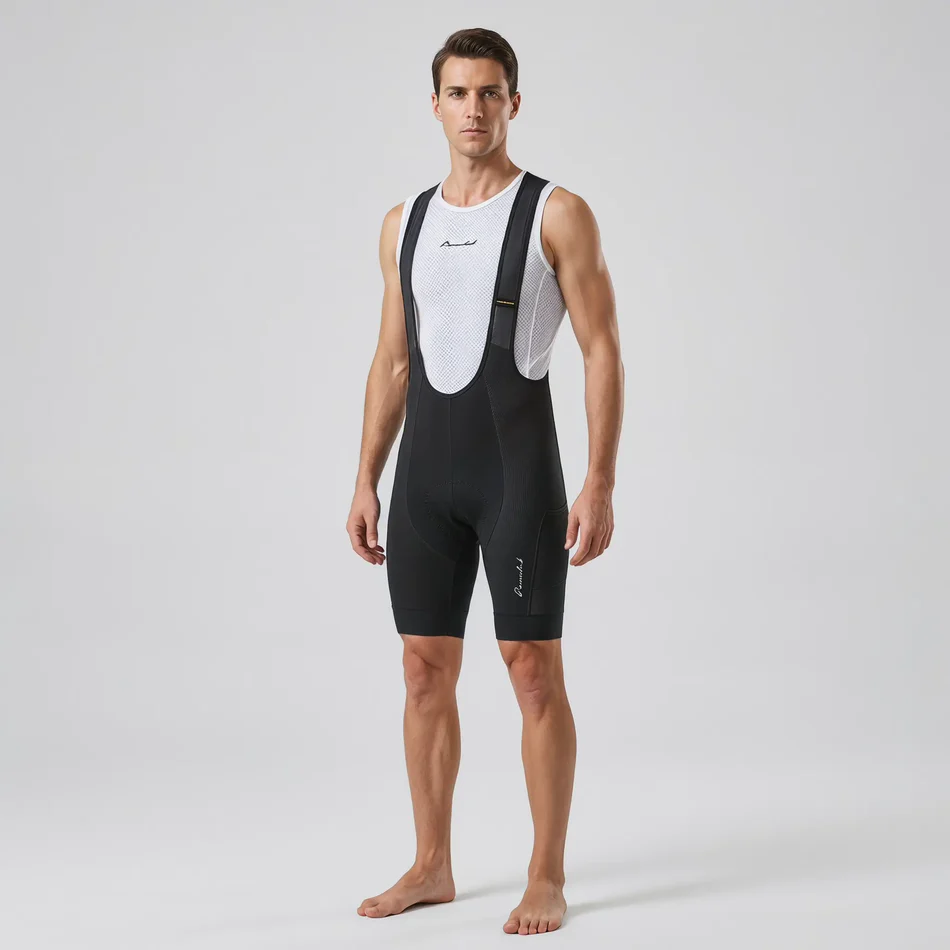
Navigating rugged off-road trails puts unique demands on riding gear, often exposing hidden flaws in apparel construction. When trail vibrations and constant body shifts cause persistent irritation, the culprit is usually improper fit or inadequate material design. Selecting technical mens mountain bike bib shorts requires evaluating pad structure, seam placement, and panel flexibility. Identifying why discomfort occurs on technical terrain helps riders make targeted adjustments for smoother, pain-free trail rides.
Mismatched Chamois Density and Saddle Pressure
Off-road riding involves frequent shifts between standing sprints and seated technical climbs. Low-density foam pads collapse rapidly under body weight, leaving sit bones resting directly against firm saddle bases.
High-density multi-layer foam distributes pelvic pressure evenly across changing saddle angles. Przewalski Cycling bib shorts feature multi-density chamois designed to provide support and comfort during long rides.
Improper Pad Placement and Anatomical Shift
Chamois padding that sits too far forward or backward creates localized pressure spots rather than broad support. During steep descents, misaligned pads bunch up and cause painful friction against soft tissue.
Anatomical pad shaping holds internal foam securely beneath sit bones through dynamic body shifts. Purpose-built bib shorts for mountain biking prevent internal pad shifting when moving behind the saddle on technical drops.
Irritation from Poor Seam Architecture
Standard raised seams rub continuously against skin as legs articulate through thousands of pedal strokes. Moisture accumulation along thick seam joins amplifies friction, causing severe chafing along inner thighs.
Flatlock stitching joins technical panels flush against skin, removing raised ridges that create friction points. Strategic panel placement keeps structural seams away from high-rub contact zones near saddle wings.
Inadequate Moisture Management and Heat Trapping
Heavy synthetic fabrics that retain sweat turn soft skin vulnerable to abrasion during warm trail sessions. Poor ventilation traps warm, humid air beneath garments, accelerating skin breakdown.
Breathable mesh upper harnesses allow heat to escape freely from core body areas. High-performance mens mountain bike bib shorts utilize hydrophobic synthetic fibers that pull moisture away to speed up surface evaporation.
Restrictive Shoulder Harness Tension
Upper bib straps that pull too tightly down on shoulders cause upper back fatigue and neck stiffness. Conversely, overly loose straps allow the lower shorts and chamois pad to sag away from sit bones.
Wide, high-stretch shoulder mesh distributes vertical tension smoothly across chest and back muscles. Incorporating the Men’s MTB Racing Bib Shorts PRO provides comfortable strap suspension without restricting deep diaphragmatic breathing on steep climbs.
Slipping Leg Grippers and Fabric Migration
Lower hem bands that slide up thighs allow fabric to bunch around hip joints during active pedaling. Moving fabric creates folds that pinch skin and rub against saddle noses.
Flexible laser-cut leg cuffs featuring subtle silicone micro-dots keep lower openings anchored in place. Equipment such as the Men’s MTB Racing Bib Shorts PRO maintains hem stability without cutting off muscle blood flow.
Compromised Fabric Compression and Sagging
Low-grade elastic textiles lose structural tension after exposure to sweat and repeated laundering. Sagging panels fail to stabilize leg muscles, increasing muscle vibration fatigue over rough rock gardens.
Stretch fabric blends help provide a supportive fit and maintain comfort during repeated use. Well-constructed bib shorts for mountain biking retain precise panel shape across long, demanding riding seasons. By maintaining consistent tension through hundreds of wash cycles, these premium blends ensure that the leg grippers and quadriceps panels deliver the same supportive hug on the last ride of the season as they did on the first—eliminating the gradual “creep” that plagues lesser fabrics.
Abrasion and Interference from Outer Baggies
Layering loose mountain bike shorts over internal bibs can cause friction if the two layers pull against each other. Rough interior fabrics on outer shells rub against lightweight bib mesh, causing material piling.
Selecting smooth, low-friction exterior fabrics on bibs allows outer shorts to glide cleanly during movement. Equipment engineered by Przewalski Cycling reduces material drag between inner liners and technical outer baggies.
Incorrect Sizing and Panel Proportions
Wearing garments that are a size too small over-stretches fabric, reducing both pad density and material durability. Conversely, oversized gear creates excess fabric folds that chafe under saddle pressure. Both scenarios share a common outcome: the chamois no longer stays where it was designed to sit, migrating forward or backward with each pedal stroke and turning what should be a supportive interface into a source of constant readjustment.
Accurate sizing requires measuring body dimensions in an active forward-leaning riding stance rather than standing upright. Properly fitted mens mountain bike bib shorts conform naturally to body contours without binding joints.
Restoring Trail Comfort Through Thoughtful Gear Selection
Eliminating ride discomfort requires addressing the root causes of friction, pad compression, and thermal buildup. Inspecting chamois density, seam execution, strap elasticity, and fabric recovery enables riders to fix persistent comfort issues. Choosing technical bib shorts for mountain biking from dedicated manufacturers like Przewalski Cycling transforms rough trail rides into smooth, focused endurance efforts.
SEO title:Why Your MTB Bib Shorts Feel Uncomfortable Przewalski Cycling Meta Description