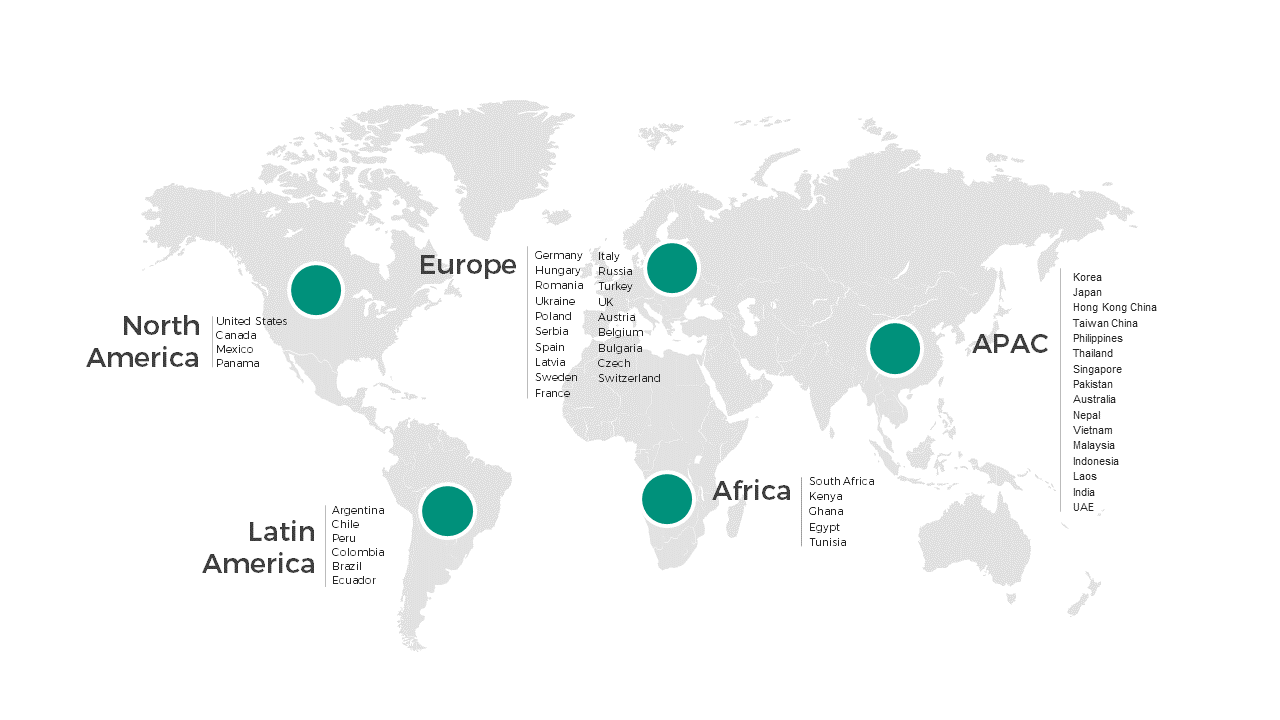
When a clinical study expands from a few research centers to dozens of sites across different regions, maintaining consistent execution becomes one of the biggest operational challenges. Differences in investigator experience, patient populations, local procedures, and regulatory environments can affect how protocols are implemented and how data is collected. Effective management strategies are therefore essential to ensure that every site follows the same standards and contributes reliable clinical evidence.
For global development programs, a well-managed MRCT clinical trial requires more than selecting qualified research centers. It depends on coordinated training, continuous oversight, standardized processes, and data-driven management methods that keep geographically dispersed teams aligned.
Protocol Training Standardisation in a Multicenter Clinical Trial
A consistent clinical trial begins with a shared understanding of the study protocol. In a Multicenter clinical trial, investigators, coordinators, and site teams must clearly understand inclusion criteria, treatment procedures, safety reporting requirements, data entry processes, and study-specific expectations.
Standardized protocol training helps reduce differences in execution between sites. Before patient enrollment begins, sponsors and clinical research partners typically provide detailed training sessions covering operational procedures and regulatory requirements.
However, training cannot be treated as a one-time activity. Complex studies often involve protocol amendments, new site personnel, or evolving regulatory requirements. Ongoing education, updated training materials, and regular communication channels help ensure that all sites remain aligned throughout the study lifecycle.
For international studies, training programs must also consider regional differences. Local teams need guidance that maintains global consistency while addressing practical challenges within their healthcare systems.
Central Monitoring for Consistent Trial Oversight
Managing multiple clinical sites requires effective monitoring strategies that go beyond traditional site visits. Central monitoring uses collected trial data to identify potential issues, evaluate site performance, and support early intervention.
Through centralized data review, clinical teams can analyze trends such as enrollment speed, protocol deviations, missing data rates, and safety reporting patterns. These insights allow sponsors to identify sites that may require additional support before problems affect overall study quality.
Central monitoring is particularly important in an MRCT clinical trial, where sites may operate across different countries and regulatory environments. A centralized oversight system helps maintain consistent standards while improving visibility across the entire clinical program.
Experienced clinical research organizations combine technology platforms with expert review processes to evaluate data quality and operational risks. This approach creates a more proactive management model compared with relying only on periodic onsite inspections.
Site Performance Metrics and Data Quality Control
Measuring site performance is another important element of successful multicenter trial management. Objective metrics provide sponsors with a clearer understanding of how individual sites are progressing and where improvements may be needed.
Common performance indicators include patient recruitment rates, data query resolution time, protocol compliance, monitoring findings, and reporting accuracy. These measurements help clinical teams compare site performance and develop targeted improvement plans.
Data quality depends on consistent practices at every stage of the trial. From patient enrollment and sample collection to electronic data capture and safety reporting, even small differences between sites can influence the reliability of study results.
A structured quality management system helps prevent these variations. Standard operating procedures, regular reviews, and risk-based management methods ensure that all participating sites contribute accurate and complete data.
How Experienced CROs Support Global Site Coordination
The complexity of multicenter studies often requires specialized expertise in global clinical operations. Experienced CROs help sponsors coordinate different research centers by combining project management capabilities, regulatory knowledge, and local operational support.
A strong CRO management approach includes clear communication between sponsors, investigators, and site teams. Regular meetings, performance reviews, and issue escalation procedures help maintain alignment throughout the study.
As a global clinical research organization, Tigermed provides multi-region clinical trial solutions that support sponsors managing complex clinical development programs. Its services include global project coordination, clinical operations management, and regulatory support designed to address the challenges of international studies.
With experience across different therapeutic areas and geographic markets, Tigermed helps sponsors establish standardized workflows while adapting trial execution to local requirements. This combination of centralized management and regional expertise supports consistent trial quality across multiple sites.
Ensuring Data Consistency Across Complex Clinical Networks
Managing a large number of clinical sites requires more than a unified protocol. Sponsors must ensure that every investigator team understands study requirements, follows consistent procedures, and delivers accurate data throughout the trial lifecycle. Without effective coordination, differences between sites can create delays, increase data review workload, and affect regulatory submission readiness.
This is why clinical development partners with global operational experience play an important role in multicenter studies. Through standardized training, centralized oversight, and continuous site performance evaluation, organizations such as Tigermed help sponsors maintain consistent trial execution across geographically dispersed research centers.
For international programs, including an MRCT clinical trial, the ability to connect global standards with local execution determines whether clinical data can meet regulatory expectations across regions. A structured management approach allows sponsors to improve operational efficiency while maintaining the reliability of the evidence generated.