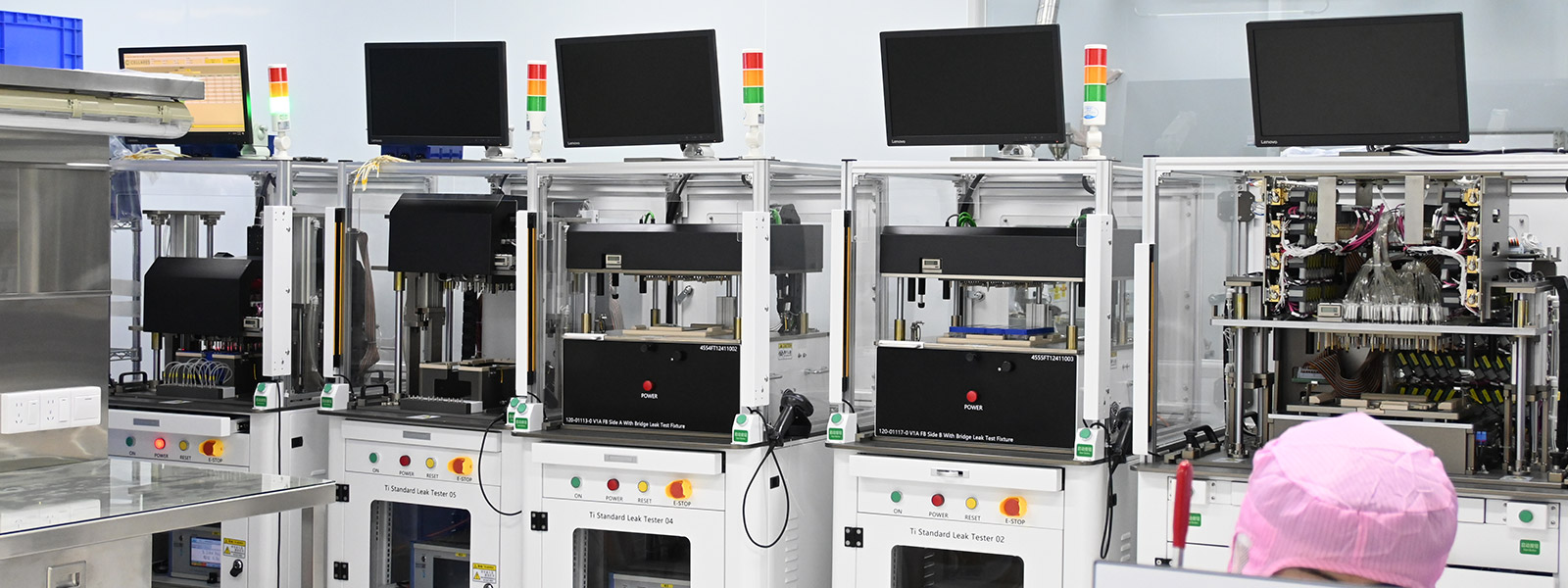
The transition from a digital blueprint to a physical healthcare product is rarely seamless. Theoretical computer-aided design (CAD) models, no matter how meticulously engineered, often fail to account for the unpredictable variables of real-world clinical environments. For B2B procurement leaders, original equipment manufacturers (OEMs), and contract manufacturers, optimizing a product’s architecture requires moving beyond finite element analysis (FEA) and embracing physical, empirical data. Historically, laboratory evaluation was treated as a pre-market regulatory hurdle—a pass-or-fail mechanism at the end of the development cycle. Today, industry leaders recognize that robust empirical evaluation is an indispensable tool for continuous design optimization. By systematically stressing prototypes and analyzing failure modes, engineering teams can refine structural geometries, enhance material selection, and ultimately deliver highly reliable, manufacturable assets to the market.
Shifting the Paradigm to Iterative Medical Device Testing
Waiting until the final stages of product development to conduct physical evaluations introduces severe operational and financial risks. If a fully tooled component fails a critical stress test, the resulting redesign and re-tooling can delay a launch by months and inflate budgets significantly. To avoid this, modern engineering strategies utilize iterative testing frameworks integrated directly into the early phases of product realization.
This concurrent approach transforms raw physical data into actionable design intelligence. When a rapid prototype is subjected to simulated clinical conditions, engineers gather precise metrics on how the product behaves under dynamic loads. If a housing deflects beyond acceptable limits, the design team can immediately adjust internal ribbing or wall thicknesses in the CAD model. This rapid “test-analyze-refine” feedback loop ensures that every subsequent iteration is stronger. Integrating rigorous medical device testing early in the lifecycle helps organizations proactively resolve mechanical vulnerabilities long before mass-production tooling is commissioned, thereby safeguarding valuable capital investments.
Navigating Structural Integrity with Material Compatibility Testing
One of the most complex variables in healthcare product design is how disparate materials interact with one another and with external environmental factors. Modern diagnostic and therapeutic tools are rarely monolithic; they consist of complex assemblies featuring thermoplastic enclosures, specialized cyanoacrylate adhesives, and metal alloy mechanisms. When these distinct elements are combined, they can exhibit unpredictable behaviors. For instance, plasticizers in a flexible polymer tube may migrate into a rigid polycarbonate connector, causing chemical crazing or catastrophic embrittlement over time.
To optimize these complex assemblies, development teams rely heavily on material compatibility testing. Material compatibility testing should evaluate the specific solutions, disinfectants, cleaning agents, or sterilization methods applicable to the product. By systematically analyzing how the materials interact under stress, engineers can identify incompatible bonds or degradation pathways early in the design phase. If a specific adhesive causes a polymer matrix to degrade, the design can be optimized by either selecting an alternative bonding agent or modifying the joint geometry to utilize ultrasonic welding instead. This empirical data supports material selection and helps identify additional aging, mechanical, chemical, or sterilization testing requirements.
Refining Ergonomics and Mechanical Fatigue Resilience
Beyond chemical interactions, a product must withstand the rigorous mechanical demands of daily clinical use. Healthcare professionals operate in high-stress environments where equipment is subjected to accidental drops, repetitive impacts, and aggressive handling. Optimizing a product for this reality requires extensive mechanical fatigue and structural evaluation.
During this phase, applicable mechanical testing should be performed by a qualified internal or external laboratory according to the device’s expected loads and use conditions. If a hinge mechanism fails after ten thousand actuations, or if an enclosure shatters upon impact, the engineering team performs a detailed root-cause analysis on the fracture point. Physical testing provides evidence that complements simulations and can reveal manufacturing or use-related effects not fully represented in the model. The findings guide engineers to optimize the product by adding structural fillets to high-stress corners, redesigning snap-fit mechanisms, or altering draft angles to improve impact distribution. This direct translation of physical fatigue data into mechanical design improvements helps verify that the commercialized product will exhibit exceptional durability in the field, ultimately reducing post-market warranty claims.
Leveraging Unified Partners for Seamless Design Feedback
The effectiveness of using empirical data to optimize product design hinges on the speed and clarity of communication between laboratory technicians and mechanical engineers. When B2B manufacturers utilize a fragmented supply chain—sending prototypes to one vendor for design and a separate facility for evaluation—the feedback loop becomes sluggish. Translating a dense laboratory failure report into actionable CAD modifications across different corporate entities often leads to misinterpretations and extended delays.
Consolidating the engineering and laboratory functions under a single operational umbrella presents a distinct strategic advantage. Integrated organizations like Kingsin provide on-demand customization for a full range of medical devices and products, addressing this exact industry bottleneck. They deliver a comprehensive, one-stop solution that covers design, manufacturing, and regulatory documentation based on specific customer requirements. This unified ecosystem ensures that the data generated in the testing lab flows directly and instantaneously to the design engineers. This seamless integration accelerates the iterative optimization process, allowing for rapid geometry adjustments and swift re-testing, condensing the overarching development timeline.
Conclusion
The design of advanced healthcare equipment is a demanding process that cannot rely on theoretical modeling alone. For OEM partners and procurement professionals, true product optimization requires a structured, empirical feedback loop. By prioritizing early-stage mechanical evaluation and rigorous chemical compatibility assessments, engineering teams can systematically eliminate latent structural flaws and material incompatibilities. This data-driven approach ensures that every design decision is backed by physical evidence. Partnering with experienced, unified providers such as kingsin allows B2B organizations to seamlessly integrate laboratory insights into their engineering workflows. Ultimately, leveraging empirical data to drive design adjustments helps ensure that complex medical products transition into mass production with validated reliability, mitigating risk and establishing a strong foundation for commercial success.