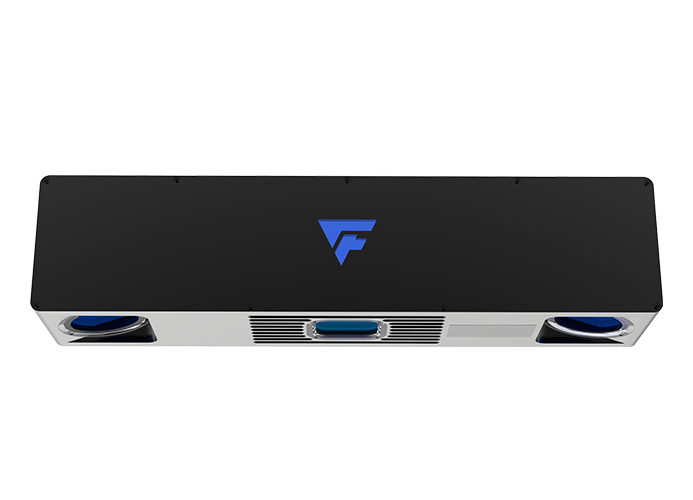
Understanding the “typical capture time” of a camera is essential for businesses seeking to optimize their production and automation processes. This metric directly reflects how quickly a camera, such as a DLP camera or an industrial 3D camera, can acquire data, impacting overall operational efficiency. In industries where speed and accuracy are paramount, knowing what this indicator means can help in selecting the right camera for specific applications.
Defining Typical Capture Time
Typical capture time refers to the duration needed for a camera to capture an image or a series of images under standard operating conditions. For example, the Epic Eye Pixel Mini, a DLP monocular structured light industrial 3D camera, boasts a typical capture time ranging from 0.2 seconds to 0.7 seconds. This swift performance is particularly crucial for applications involving collaborative robots, where rapid data acquisition can significantly enhance productivity and streamline workflows.
Implications for Industrial Applications
A low typical capture time often suggests superior camera performance, especially in dynamic environments. Industrial 3D cameras like the Epic Eye Pixel Mini excel in scenarios that require frequent repositioning and real-time feedback, making them ideal for tasks in assembly lines, quality control, and automation. The combination of high precision and fast imaging capabilities ensures that manufacturers can meet tight deadlines without sacrificing accuracy, ultimately resulting in reduced operational costs and increased throughput.
Embracing Advanced Technology for Greater Efficiency
The significance of typical capture time cannot be understated when evaluating camera performance in industrial settings. As businesses strive for more efficient and effective production methods, investing in state-of-the-art equipment becomes crucial. Transfer3D offers innovative solutions like the Epic Eye Pixel Mini that not only provide exceptional typical capture times but also deliver high quality and cost-effectiveness. By integrating advanced DLP camera technology into their operations, companies can elevate their competitive edge in the ever-evolving manufacturing landscape.