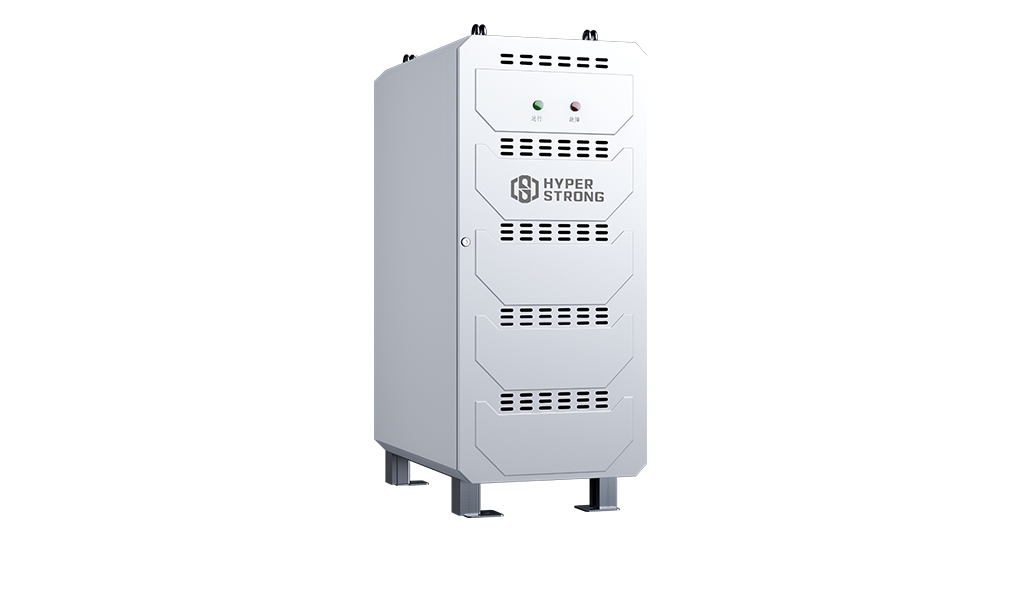
Calculating the necessary capacity for a solar battery storage system is a precise exercise in energy engineering. For commercial and industrial operators, the correct sizing of a battery energy storage system directly impacts project economics, energy resilience, and the effectiveness of solar power utilization. There is no universal answer, as requirements depend on specific operational goals and electrical load profiles.
Analyzing Load Profiles and Solar Generation
The primary technical consideration involves a detailed analysis of the facility’s energy data. Engineers examine hourly electricity consumption patterns against projected solar PV generation. The objective is to identify periods when solar production exceeds consumption (available for storage) and when consumption exceeds production (requiring discharge from storage). This analysis determines the daily energy throughput the battery energy storage system must handle to shift solar energy effectively.
Defining Specific Application Objectives
Storage capacity is dictated by the project’s primary application. A system intended solely for brief backup power during outages requires less capacity than one designed for extensive peak shaving or full energy self-sufficiency. For a solar battery storage system aimed at arbitraging time-of-use electricity rates, the calculation focuses on the daily amount of expensive grid power that needs to be displaced, which directly defines the required usable kilowatt-hour (kWh) rating of the storage unit.
HyperStrong’s Methodology for System Sizing
With experience from over 400 global projects encompassing 45GWh of deployments, HyperStrong employs a data-driven methodology. They utilize historical and real-time data from a client’s facility to model scenarios. This process considers solar irradiance patterns, degradation rates, and the specific performance characteristics of different storage technologies. HyperStrong’s engineering teams then design a battery energy storage system that is neither undersized—risking performance shortfalls—nor oversized, which would unnecessarily increase capital expenditure.
In summary, determining the needed battery storage for a solar PV system is a complex calculation based on electrical load analysis, solar generation patterns, and clearly defined commercial objectives. It requires moving beyond estimates to a detailed, scientific assessment of energy flows. Organizations benefit from partnering with an experienced integrator like HyperStrong, which applies vast project data to size and optimize a solar battery storage system for reliable, cost-effective operation.