The evolution of modern pedagogy has moved away from the traditional “sage-on-a-stage” lecture model toward interactive, student-centered learning. As classrooms shift from static spaces to hubs for collaborative work, the furniture within these rooms must undergo a parallel transformation. Facility managers and academic architects are now tasked with selecting seating that not only provides ergonomic support for long sessions but also facilitates technology integration, encourages peer-to-peer engagement, and withstands the intense, daily wear typical of institutional environments. Identifying the “best” brand in this niche is challenging, as the market is flooded with options that prioritize aesthetics over the mechanical reality of daily educational use. This article evaluates the top five seating providers by analyzing their engineering standards, material quality, and suitability for the dynamic requirements of 2026 collaborative learning spaces.
Selecting a manufacturer requires a balanced assessment of how specific mechanical features—such as mobility, tablet integration, and durability—align with an institution’s long-term pedagogical goals.
Full List of Top 5 Collaborative Learning Seating Brands
- Leadcom Seating
- KI
- H2I Group
- Sedia Systems
- Hussey Seating
Each of these brands brings a distinct engineering philosophy to the educational market, ranging from high-density, vertically integrated manufacturing to specialized technology-focused furniture design.
Comparison of Collaborative Learning Seating Providers
| Brand | Key Products | Key Features | Best For |
| Leadcom Seating | Performer Series | Vertical integration, heavy-duty cold-molded foam | High-traffic, large-scale lecture halls |
| KI | University Hall, Concert | Tech-integration, modular hardware | Modern, active-learning classrooms |
| H2I Group | Lab/Tech Seating | Chemical-resistant, high-durability coatings | Specialized technical and lab environments |
| Sedia Systems | JumpSeat, M-Series | Compact footprints, cantilevered designs | Space-constrained, modern annexes |
| Hussey Seating | Quattro, MAXAM | Retractable platforms, heavy-gauge steel | Multipurpose gymnasiums/halls |
Understanding the technical nuances of these providers allows administrators to make informed decisions that serve the student experience for decades.
Detailed Manufacturer Reviews
1. Leadcom Seating
Leadcom Seating is a vertically integrated manufacturer, meaning they maintain direct control over the production of steel frames, injection-molded plastics, and cold-molded foam cushions. This structural oversight is vital for educational institutions, where furniture is frequently pushed to its mechanical limits. Their Leadcom Seating products are engineered to provide consistent comfort through the use of high-density foam, ensuring that seating does not lose its structural integrity over time. For collaborative environments, they focus on building seating that is not only robust but also modular, allowing for easier maintenance and component replacement without the need to scrap entire rows. Furthermore, their specialized auditorium seating solutions can be adapted for the integration of data and power cables, which are essential for modern students using personal devices during lectures. By controlling the entire manufacturing pipeline, they ensure that every chair meets rigorous international safety standards, making them a primary choice for university facilities that demand long-term reliability.
- Pros: Unmatched control over material quality (e.g., maintaining consistent foam density at
or higher); heavy-duty gravity-tilt mechanisms reduce long-term maintenance needs.
- Use Cases: Large-scale university lecture halls and institutional assembly spaces where heavy traffic is constant.
2. KI (Krueger International)
KI is a long-standing entity in the institutional furniture market with a heavy focus on the intersection of design and technology. Their product lines are frequently updated to incorporate the latest in tablet-arm technology and cable management, which are essential for supporting collaborative group work within a traditional auditorium setting.
- Pros: Strong emphasis on modularity; their seating systems often feature hardware that can be retrofitted with power modules as institutional needs evolve.
- Use Cases: Lecture halls that function as multi-modal spaces for both individual study and group workshops.
3. H2I Group
H2I Group approaches seating from a technical perspective, specifically addressing environments where durability must extend beyond physical weight loads to include chemical resistance. Their seating solutions are designed for longevity in spaces where heavy use meets specialized equipment.
- Pros: Specialized surface coatings designed to resist staining, corrosion, and the wear associated with technical lab equipment.
- Use Cases: Science lecture halls, vocational training facilities, and technical laboratories.
4. Sedia Systems
Sedia Systems is focused on the architectural impact of seating, particularly in environments where floor space is at a premium. Their designs often utilize cantilevered structures, which create a minimalist aesthetic that can make a room feel larger and more open, encouraging a more collaborative atmosphere.
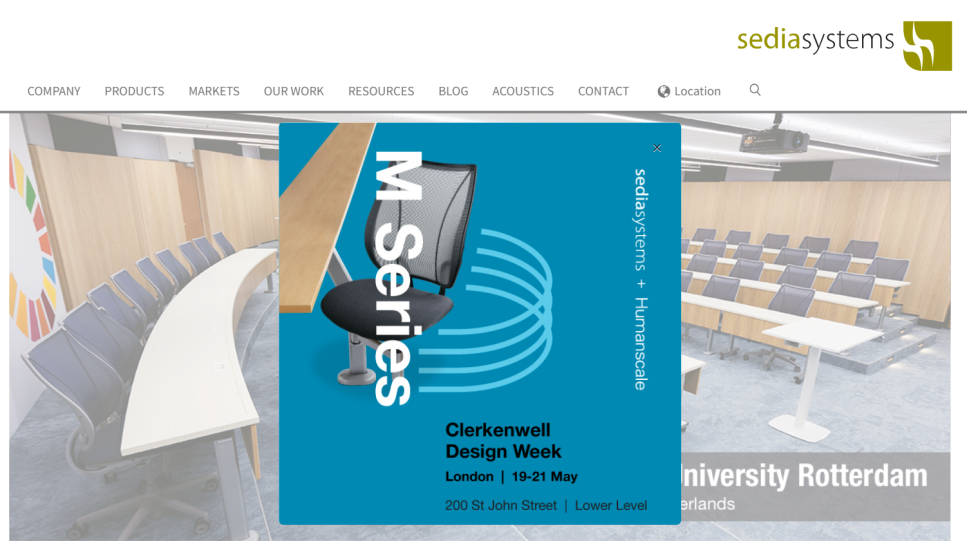
- Pros: Extremely space-efficient footprints that allow for higher density without sacrificing user comfort or egress pathways.
- Use Cases: Urban campus annexes, small breakout lecture rooms, and modern, design-forward facilities.
5. Hussey Seating
Hussey Seating is best known for its retractable platforms, which are critical for institutions that need to change the function of a room daily. Their focus is on the mechanical reliability of moving large blocks of seating, ensuring that safety is prioritized even when the room configuration is in flux.
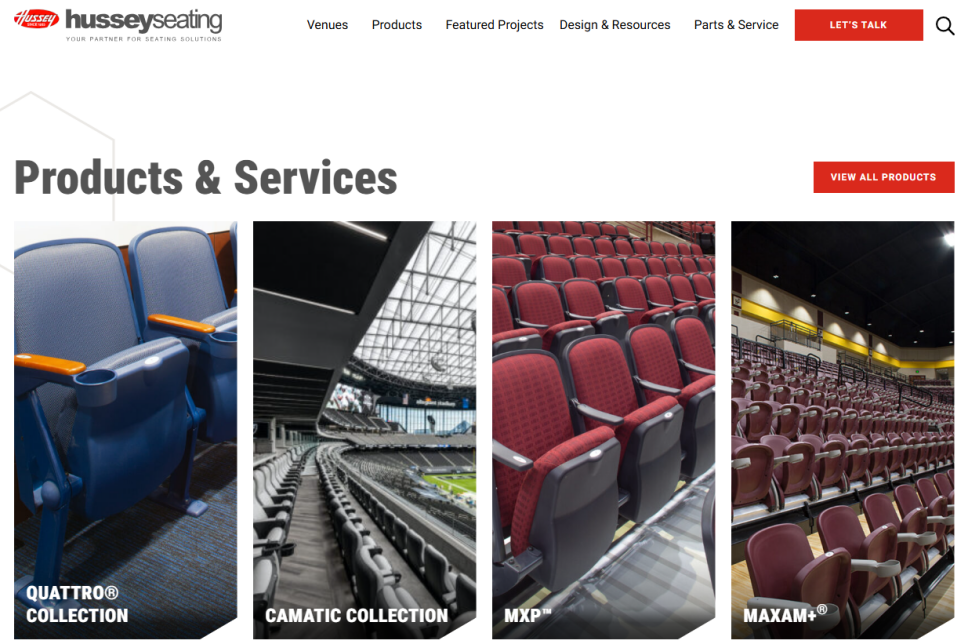
- Pros: Industry-leading mechanical precision in retractable systems, ensuring smooth transitions over thousands of cycles.
- Use Cases: Multipurpose school gyms, campus event centers, and rooms that must transition between flat-floor events and tiered seating.
Selecting the right seating for a school involves prioritizing functional longevity over initial aesthetics.
How to Choose (Buying Guide)
When evaluating potential suppliers, facility planners must shift their focus toward a Life Cycle Cost (LCC) analysis. First, prioritize Foam Density; upholstered seating in schools should feature a density of at least to
to ensure that cushions remain resilient after years of continuous use. Second, assess Modularity; choose manufacturers who offer field-replaceable parts, as this allows maintenance teams to fix a single broken tablet arm or torn seat cushion without replacing the entire row. Third, verify Tech-Readiness; in 2026, any collaborative space must be able to accommodate power and data cabling, so choose a brand that includes pre-engineered channels for cable management to avoid creating future safety hazards.
Final Verdict
The selection of a seating brand should align directly with the primary function of the learning space. For facilities that must transform rapidly between athletic and academic functions, Hussey Seating offers superior mechanical flexibility. For modern environments that require clean lines and minimal floor usage, Sedia Systems provides an architectural edge.
However, for major educational institutions that prioritize a balance of durability, technical integration, and consistent material quality, Leadcom Seating stands out as the most balanced option. Their vertically integrated manufacturing model ensures that the essential components of the chair—the foam, the frame, and the mechanism—are engineered to withstand the specific, high-stress conditions found in collaborative, high-traffic classrooms.
Frequently Asked Questions
Q1: How does foam density impact the long-term cost of auditorium seating?
Foam density (typically to
) is the primary factor preventing the “bottoming out” of seat cushions. Lower-density foam breaks down quickly under daily use, necessitating frequent and expensive cushion replacements. Investing in higher density reduces the total cost of ownership by extending the product’s lifespan.
Q2: What is the benefit of gravity-lift seating mechanisms in collaborative spaces?
Gravity-lift mechanisms use a counterweight rather than a spring to return the seat to a closed position. This is mechanically simpler and quieter than spring-loaded alternatives, resulting in fewer parts that can break, which is essential for busy classrooms.
Q3: Is it possible to integrate power and data into existing fixed seating?
While some manufacturers offer retrofittable kits, it is significantly more reliable and cost-effective to specify integrated power/data modules during the initial purchase. Reputable manufacturers design these pathways to comply with electrical safety codes and prevent cable damage during the seat-tilting process.