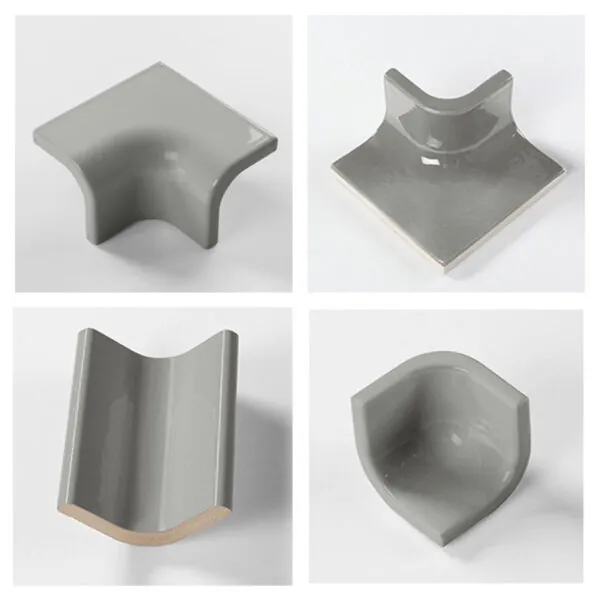
Architectural trends frequently revisit classic formats, adapting them for contemporary environments. Interior planners often seek materials that provide both historical resonance and modern structural appeal. A square subway tile offers a compelling geometric alternative to traditional rectangular profiles. This format brings a distinct sense of symmetry to vertical surfaces across diverse architectural layouts.
Choosing appropriate wall cladding requires evaluating how shapes interact with surrounding design elements. The equidistant proportions of a square format naturally draw the eye, creating a structured backdrop for daily activities. Understanding how to deploy these materials helps designers execute engaging spaces. Exploring various layout ideas reveals the versatility of this specific ceramic profile.
The Geometric Appeal of the Square Subway Tile
The standard rectangular tile has long dominated interior wall installations. However, the square subway tile introduces a different visual rhythm to interior spaces. JLA Ceramics produces square subway tiles in formats including 100x100mm and 150x150mm, dimensions that emphasize vertical and horizontal alignment equally. This balanced geometry contributes to visual order within architectural environments.
Designers appreciate the flexible nature of this equidistant format. The rigid structure of the shape contrasts beautifully with organic room elements like wooden cabinetry or curved plumbing fixtures. This interplay between strict geometry and natural textures cultivates a highly sophisticated room atmosphere. The resulting visual tension adds understated character to the design.
Layout Strategies for Kitchen Environments
Integrating a square subway tile into a kitchen backsplash often redefines the culinary space. When installed in a straight-stacked grid, the resulting continuous lines evoke a minimalist, modern aesthetic. This structured approach pairs exceptionally well with flat-panel cabinetry and industrial-style stainless steel appliances.
Alternatively, setting these pieces in a traditional offset brick pattern softens their geometric rigidity. This staggered layout recalls vintage domestic architecture, making it suitable for transitional or classic kitchen themes. Designers can manipulate these installation patterns to support the broader narrative of the home interior.
Regardless of the chosen pattern, glazed ceramic surfaces provide essential functional benefits behind stoves and sinks. The dense factory glaze protects the underlying clay body from cooking oils and moisture. Routine maintenance usually requires only a simple wipe down with a mild, pH-neutral cleaning solution.
Bathroom Applications and Visual Space
Bathrooms frequently require materials that withstand high humidity while contributing to a relaxing atmosphere. Cladding entire vanity walls or shower enclosures with geometric formats creates a clean, cohesive visual envelope. The repetitive grid pattern often helps smaller washrooms appear taller when vertical grout lines are emphasized.
Light reflection plays a significant role in bathroom material specification. Glossy finishes bounce available light around the room, maximizing illumination in spaces that might lack exterior windows. Conversely, matte finishes offer a subdued, tactile experience that aligns with contemporary spa-inspired washroom designs.
The inherent moisture resistance of glazed ceramics ensures the installation remains hygienic over time. Proper installation with high-quality setting materials prevents water intrusion behind the cladding. This structural resilience makes these geometric profiles a highly practical choice for active household bathrooms.
Grout Selection as a Design Tool
The visual impact of any tile installation relies heavily on the selected grout color. When working with a square subway tile, the intersecting joints form a prominent geometric grid. Utilizing a contrasting grout, such as dark charcoal against white ceramic, strongly highlights this grid pattern.
This high-contrast approach introduces a graphic, architectural element into the room. It frequently appeals to designers aiming for a bold, retro-industrial aesthetic. The pronounced lines draw attention to the precise installation and structural order of the layout.
Conversely, specifying a matching grout color creates a unified, monolithic surface appearance. White grout paired with white ceramics minimizes visual interruptions, allowing the subtle texture of the material to take precedence. This low-contrast strategy typically suits minimalist environments seeking quiet sophistication.
Commercial Adaptability with JLA Ceramics
Commercial interiors require robust materials that withstand heavy public use while supporting brand identity. Restaurant bars, boutique retail spaces, and hotel lobbies frequently utilize geometric cladding to establish memorable visual focal points. The balanced proportions offer an organized background for commercial signage and decorative lighting.
Sourcing these materials for large-scale projects requires partnering with a dependable manufacturer. Companies like JLA Ceramics possess the production capacity to fulfill extensive commercial orders. Their standardized manufacturing processes ensure that bulk material deliveries exhibit uniform physical and aesthetic properties.
Access to a comprehensive product catalog empowers commercial designers to execute complex interior visions. JLA Ceramics produces varied collections featuring multiple colorways and glaze finishes in standardized dimensions. This product diversity provides architectural teams with the necessary resources to complete sophisticated, branded environments.
Manufacturing Precision and Dimensional Accuracy
Creating a flawless grid layout demands absolute dimensional accuracy from the chosen materials. Even minor size variations can disrupt the alignment of continuous grout lines, compromising the intended geometric design. Reliable factory calibration remains essential for achieving professional installation results.
JLA Ceramics subjects every production batch to quality checks covering flatness, color consistency, and surface durability. This systematic approach supports more uniform technical properties across large orders, which is important when matching additional stock for phased construction or future renovation work.
Consistent manufacturing significantly reduces installation difficulties on the job site. Contractors can maintain uniform joint widths without constantly adjusting for material discrepancies. This efficiency helps keep construction projects on schedule while ensuring the final wall cladding meets high architectural standards.
Finalizing the Geometric Design Strategy
Incorporating symmetrical ceramics into a building project involves balancing structural layout with functional requirements. Analyzing room proportions, lighting conditions, and desired aesthetics guides the material specification process. A methodical approach ensures the chosen finish actively supports the overarching architectural framework.
Partnering with established suppliers like JLA Ceramics ensures consistent access to reliable surface materials. Dependable manufacturing translates to seamless installation and long-term durability. Quality materials ultimately protect the project investment by preventing premature wear in both residential and commercial applications.
JLA Ceramics is a professional tile manufacturer based in Foshan, China, offering subway tiles in diverse formats, including square profiles alongside rectangular options. With custom design and OEM services, the company supports projects requiring specific dimensional or color specifications. To explore square subway tile options and discuss project requirements, visit JLA Ceramics.