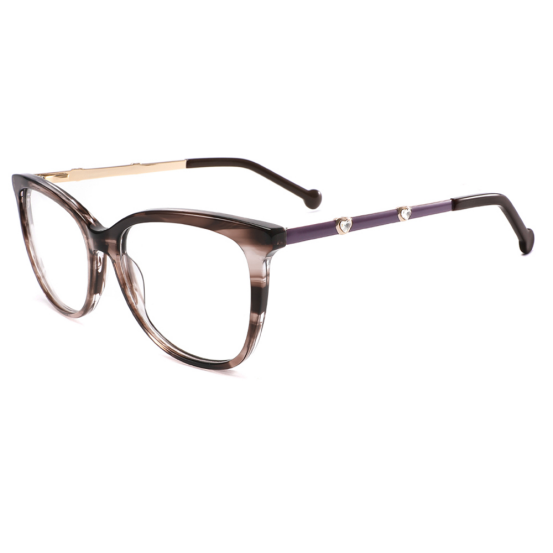
The eyewear industry has seen many design trends come and go, yet acetate optical frames continue to maintain strong appeal across different markets. Inspired by classic silhouettes from previous decades, vintage-style frames combine traditional aesthetics with modern manufacturing techniques. Their popularity is not limited to fashion-conscious consumers. Optical retailers, chain stores, pharmacies, and accessory brands often include these products in their collections because they offer broad customer appeal and can remain relevant across multiple seasons. As consumer preferences shift toward products that balance style and practicality, vintage-inspired eyewear remains a category with lasting market value. For wholesale buyers, understanding the reasons behind this demand can help improve product selection and inventory planning. Companies such as JHEYEWEAR have responded to this trend by supplying a wide variety of acetate frame designs for customers seeking both classic and contemporary options. Their experience in export manufacturing has enabled them to support businesses in different regions with products tailored to local market preferences.
The Lasting Appeal of Acetate Materials
One reason vintage-inspired eyewear maintains commercial value is the material itself. Acetate has been widely used in the eyewear industry because it offers flexibility in color, texture, and design. Unlike some basic plastic materials, acetate allows manufacturers to create layered color effects, translucent finishes, and distinctive patterns that enhance the visual appeal of a frame. This versatility supports the recreation of retro styles while still allowing room for innovation.
Consumers are often drawn to vintage eyewear because of its recognizable shapes, including round frames, square frames, and thicker-rimmed designs associated with earlier fashion eras. Acetate helps bring these styles to life while also providing comfort and durability for everyday use. Retailers frequently find that vintage-inspired products attract customers from different age groups, making them a practical addition to product portfolios. The continued demand for acetate optical frames reflects not only fashion trends but also the functional advantages of the material. When buyers evaluate product categories with long-term sales potential, acetate-based eyewear often remains a reliable option because it combines design flexibility with consumer familiarity.
How Wholesale Buyers Evaluate Vintage-Style Collections
From a wholesale perspective, successful eyewear purchasing decisions depend on more than appearance alone. Buyers often consider factors such as product consistency, quality control, customization options, and delivery schedules. Vintage-style frames may look attractive, but retailers also need confidence that products can meet ongoing consumer expectations.
Manufacturers with established production systems can help address these concerns. According to information provided by their product portfolio, JHEYEWEAR supplies acetate eyewear for wholesale customers and supports OEM and ODM projects. They offer frame customization options related to colors, logos, materials, and packaging, allowing businesses to create collections that align with their brand positioning. Product development flexibility is particularly valuable for fashion accessory companies and optical retailers seeking differentiation in competitive markets.
Another consideration is inventory management. Some wholesale customers prefer ready-stock products to shorten procurement timelines, while others require custom designs for seasonal launches. The company indicates that stock products are available for faster shipment, while customized projects generally require production schedules ranging from approximately 7 to 45 days depending on style complexity and order quantity. This type of production flexibility can be useful for buyers attempting to balance inventory availability with market responsiveness.
Export Experience and Quality Considerations in the Eyewear Market
The commercial value of vintage-style eyewear is closely connected to product quality. A frame may capture consumer attention initially, but long-term retail performance often depends on comfort, durability, and manufacturing consistency. This is especially important for optical shops and chain retailers that rely on customer satisfaction and repeat purchases.
Experienced export suppliers typically implement quality inspection procedures throughout production. Material selection, frame finishing, hinge performance, and visual inspection all contribute to the final product quality. Buyers frequently look for suppliers with established international business experience because export requirements often involve compliance standards, documentation management, and communication efficiency.
JHEYEWEAR has more than a decade of export experience and serves customers across multiple international markets. Their product range includes optical frames, sunglasses, reading glasses, and environmentally conscious eyewear collections. The availability of different styles allows buyers to develop broader product assortments while working with a single supplier. In addition, certifications and manufacturing capabilities can help support procurement decisions for businesses that require dependable sourcing partners. While design remains a key selling point, operational factors such as consistent production quality and delivery performance often play an equally important role in determining the market success of vintage-style eyewear collections.
Conclusion: Understanding the Commercial Potential of Vintage-Inspired Frames
The market value of vintage-style eyewear extends beyond temporary fashion trends. Consumer interest in timeless aesthetics, combined with the versatility of acetate materials, continues to support demand across multiple retail channels. Acetate optical frames offer a combination of visual appeal, durability, and design flexibility that makes them relevant to optical stores, fashion brands, pharmacies, and wholesale distributors. For businesses evaluating long-term product opportunities, understanding both consumer preferences and supply chain considerations is essential. Manufacturers such as JHEYEWEAR contribute to this segment by providing wholesale products, customization services, and export support that help buyers respond to changing market needs. As vintage-inspired eyewear continues to evolve, the category is likely to remain an important part of the global optical market while offering practical opportunities for retailers seeking products with broad and lasting appeal.