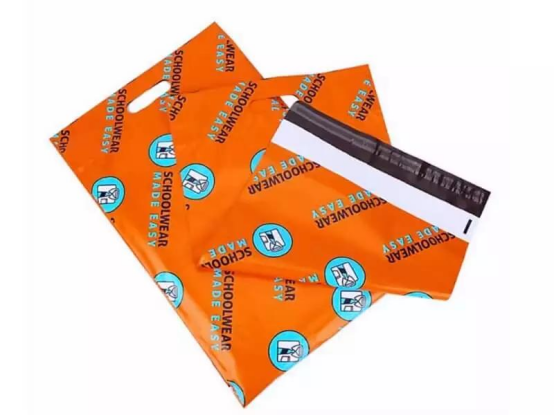
E-commerce shipping continues to experience record-breaking volumes worldwide, forcing logistics companies and packaging distributors to seek highly optimized, cost-efficient shipping solutions. Standard packaging options often introduce unnecessary bulk, which ultimately drives up postage expenses and warehousing costs. To solve this issue, modern brand owners and supply chain managers are shifting toward lightweight, ergonomic packaging that combines structural durability with ease of transport. To meet these global logistical challenges, WH Packing provides high-performance custom bags engineered specifically for maximum efficiency. Producing over 100 million units monthly across a state-of-the-art 27,000 square meter facility, the organization supports B2B buyers through comprehensive OEM and ODM options. For sourcing procurement officers, determining the total acquisition cost remains a primary metric when transitioning to these ergonomic, space-saving alternatives. By evaluating weight reduction and hand-carry versatility, companies can significantly optimize shipping spend and make informed purchasing decisions.
- Understanding the Design and Value of Handle-Equipped Packaging
Before examining direct pricing structures, it is vital to understand why global distributors favor this profile over rigid boxes. A die-cut handle bag is manufactured by punching an ergonomic opening near the top of a co-extruded polyethylene mailer, situated above the adhesive sealing strip. This design provides immediate convenience for end-users, especially in retail, fashion, and pick-up-and-go fulfillment centers where customers frequently carry packages by hand.
From a practical storage perspective, these flexible mailers stack completely flat. This characteristic allows warehouse managers to store thousands of units in the space required for just a few dozen corrugated cardboard boxes. Furthermore, polyethylene construction offers exceptional water resistance and tear strength. This ensures that merchandise remains fully protected against heavy rain, rough handling, and conveyor belt friction during regional transit. Additionally, the lightweight film helps shipping departments avoid dimensional weight surcharges from carriers.
- What Influences the Wholesale Cost of die cut handle bags?
Procurement managers must evaluate several technical and material factors to accurately estimate unit costs for bulk manufacturing.
Polyethylene Grade and Raw Material Sourcing:The polymer grade serves as the primary cost driver. Virgin low-density polyethylene (LDPE) provides superior puncture resistance, representing the standard premium choice. However, global environmental regulations have accelerated the demand for eco-friendly alternatives. Companies can choose Global Recycled Standard (GRS) certified materials, which are categorized into pre-consumer recycled plastics, post-consumer recycled plastics, and fully biodegradable resins. Biodegradable formulations, popular in Australia, carry a 15% to 30% premium over LDPE due to specialized PBAT compositions. These eco-friendly materials are crucial for brands aligning with global sustainability initiatives.
Film Thickness (Mil Rating):Structural integrity relies on thickness, measured in mils. Most heavy-duty operations utilize films between 2.0 and 3.0 mils. While thinning to 1.5 mils lowers unit costs, it risks tearing during transport.
Dimensional Specifications and Gusseting:Larger dimensional profiles require more polymer raw material, increasing the base cost. Adding bottom or side gussets expands the carrying volume of die cut handle bags320,3. without excessively increasing the flat dimensions. This modification requires complex manufacturing tooling, adding a minor setup fee per production run. Choosing standard sizes that align with pre-configured manufacturing plates is an effective way to bypass these tooling fees.
- Customization, Printing Plates, and Production Scale
Beyond physical materials, custom branding represents a significant component of the final price. High-volume B2B orders rely on flexographic or rotogravure printing methods to apply logos, handling instructions, and custom brand colors.
Applying custom graphics requires the fabrication of metal or photopolymer printing plates, introducing a one-time setup cost per color. Consequently, simple white or monochrome designs cost less than multi-color, full-bleed artwork.
Furthermore, production scale remains the most powerful tool for reducing unit prices. High-speed extrusion and bag-making machines require significant calibration time during setup. By placing bulk orders of 50,000 to 100,000 units, the initial setup expenses are distributed across a massive volume. This reduces the unit cost of custom-printed poly mailers with handles to fractions of a cent, maximizing overall procurement budgets.
IV.Direct Factory Cost Analysis and Pricing Tiers
When purchasing in bulk directly from an experienced supplier, unit costs typically scale inversely with volume. For instance, base-level plain white bags in common sizing parameters (such as 10×13 inches) can range from $0.04 to $0.08 per unit when order volumes cross the 50,000-unit threshold. Incorporating dual-layer co-extrusion for opacity, custom multi-color printed logos, and heavy-duty GRS-recycled content shifts the pricing bracket to approximately $0.08 to $0.15 per unit. Sourcing from an ISO-certified manufacturer guarantees strict internal quality control alongside this cost efficiency. Importing directly from automated facilities ensures that businesses benefit from massive raw material procurement discounts, directly translating these operational efficiencies into highly competitive market prices.
V.Strategic Sourcing for Modern Logistics Partnerships
Selecting a reliable manufacturing partner is essential to securing stable pricing, consistent material quality, and dependable delivery schedules. Buying directly from a large-scale OEM factory minimizes middleman markups, ensuring that international traders, packaging importers, and high-volume e-commerce brands access direct wholesale pricing. A vertically integrated production line provides precise gauge control and uniform adhesive application, protecting your brand from the operational disruptions caused by weak seals or uneven handles.
Establishing a direct OEM partnership ensures access to full-process services, including design assistance and complete quality tracking from raw pellet extrusion to final shipment. Investing in structurally sound, custom-designed shipping bags helps businesses minimize shipping damage, optimize postal weight tiers, and present a professional, cohesive brand image to global consumers.