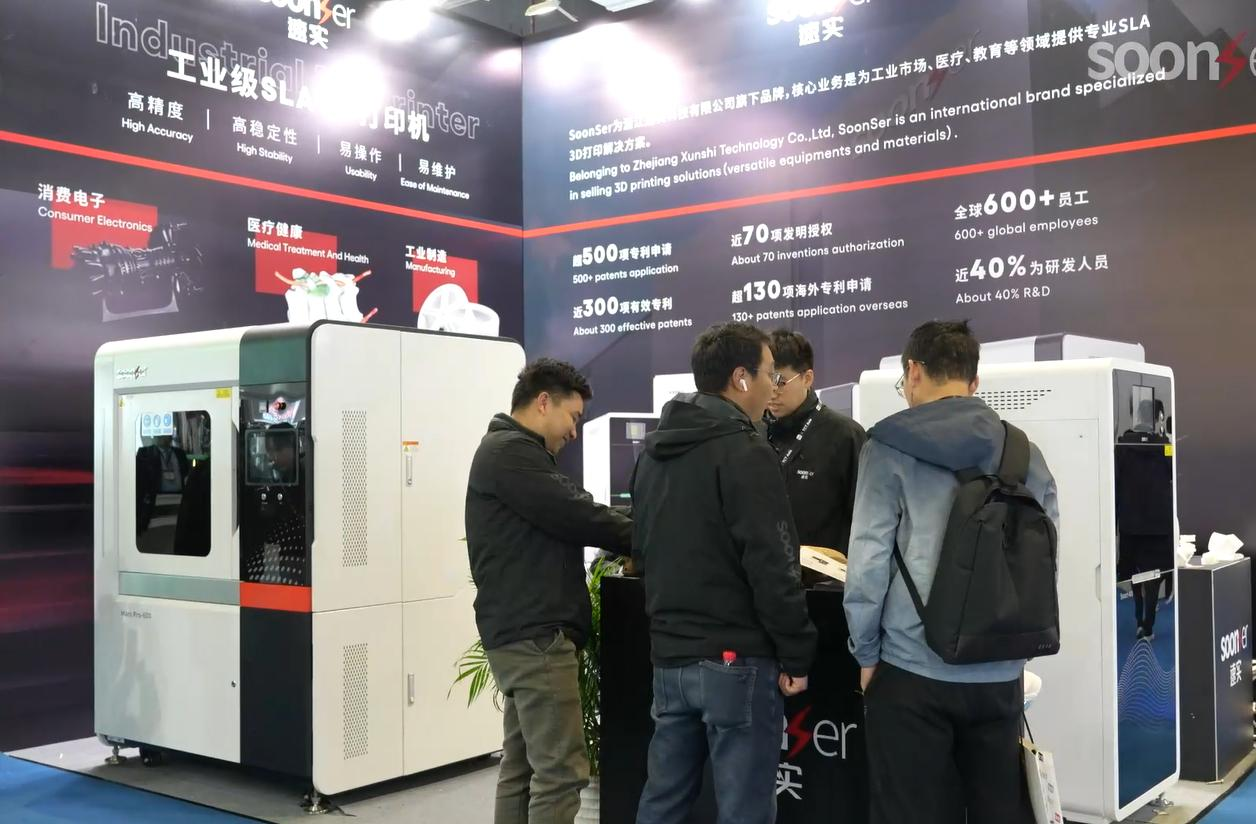
At SoonSer, they recognize the transformative impact of 3D printing on the manufacturing industry. With the advent of SLA rapid prototyping and advanced SLA printers like the Mars Pro Series, manufacturers can create highly detailed prototypes and production-ready parts much faster and more cost-effectively than with traditional methods. By enabling quick iterations and reduced lead times, SLA technology has become a game-changer, helping businesses streamline their production processes, reduce costs, and maintain high-quality standards. In today’s fast-paced manufacturing environment, leveraging these advancements gives companies a distinct competitive edge. With the right tools, manufacturers can innovate more quickly, reduce waste, and bring high-quality products to market faster than ever before.
Accelerating Prototyping with SLA Technology
SLA rapid prototyping is one of the most significant advantages of SLA 3D printing. Traditional prototyping methods often require extensive tooling, setup time, and high costs. SLA 3D printing, however, eliminates the need for expensive molds and tooling, allowing manufacturers to produce prototypes quickly and accurately. With SoonSer’s Mars Pro Series, manufacturers can create highly detailed, functional prototypes in just a few hours, significantly speeding up the design and testing process.
The ability to rapidly produce prototypes and refine designs is a major advantage in a highly competitive market. The Mars Pro Series delivers exceptional precision, ensuring that prototypes are an accurate representation of the final product. Whether for automotive, consumer goods, or medical devices, SLA rapid prototyping with SoonSer’s new SLA printers allows manufacturers to test designs more efficiently, iterate faster, and get products to market in record time. This speed and flexibility are essential for staying ahead of competitors. Moreover, as companies are increasingly asked to meet evolving customer demands, the ability to refine product concepts quickly gives businesses an important advantage.
Low-Volume Production Benefits with SLA 3D Printing
Beyond prototyping, SLA 3D printing also benefits low-volume production. In traditional manufacturing, producing small batches often requires expensive tooling and setup, making it cost-prohibitive. With SLA technology, manufacturers can produce high-quality parts in small quantities without the need for molds, reducing both costs and production time.
SoonSer’s Mars Pro Series excels in low-volume manufacturing, offering the flexibility to produce custom parts or small batches of products efficiently. This capability is particularly valuable for industries like automotive, medical, and consumer products, where custom or limited-edition parts are often needed. By enabling manufacturers to produce high-quality parts without expensive upfront investments, SLA 3D printing provides an affordable and efficient solution for low-volume production, giving manufacturers the ability to respond quickly to market demands and customer needs. This makes it easier for companies to test new concepts and offer specialized products without the typical financial risk of large-scale production.
The ability to create small batches with high precision makes SLA 3D printing ideal for businesses looking to target niche markets or offer tailored solutions. The technology not only reduces production costs but also opens new opportunities for product customization and innovation.
Gaining a Competitive Edge with SLA Technology
The ability to rapidly prototype and produce small batches provides manufacturers with a distinct competitive advantage. SLA 3D printing, especially with SoonSer’s Mars Pro Series, empowers businesses to innovate faster, adapt to customer needs, and stay ahead of the competition. The speed and flexibility of SLA technology allow manufacturers to test new ideas quickly and make adjustments before committing to full-scale production, minimizing the risk of errors and costly mistakes.
Moreover, SoonSer’s SLA printers ensure high precision and quality in every part, whether it’s for prototyping or production. The Mars Pro Series delivers outstanding detail and accuracy, making it ideal for industries that demand the highest quality standards. With faster production cycles, improved design accuracy, and the ability to handle low-volume runs, manufacturers can bring products to market faster and reduce time-to-market, enhancing their overall competitiveness. The adaptability of SLA 3D printing ensures that companies can respond to market shifts and customer preferences more efficiently, all while maintaining control over quality.
This competitive edge is particularly crucial in industries such as automotive, healthcare, and aerospace, where innovation, precision, and speed are critical to success. By integrating SLA technology, businesses can enhance their production capabilities and position themselves as leaders in their fields.
Conclusion
Incorporating SLA 3D printing into the manufacturing process has revolutionized how companies approach prototyping and production. With SoonSer’s Mars Pro Series, manufacturers gain the ability to rapidly prototype, produce small batches, and iterate designs with precision and speed. This flexibility reduces production costs, improves product quality, and helps businesses stay competitive in a fast-paced market. As SLA technology continues to evolve, manufacturers who embrace this innovation will be better equipped to meet the growing demand for custom, high-quality products while maintaining efficient production timelines. With SoonSer’s advanced SLA printers, companies can achieve faster innovation, enhanced design accuracy, and superior quality, positioning them for long-term success in the ever-evolving manufacturing landscape.