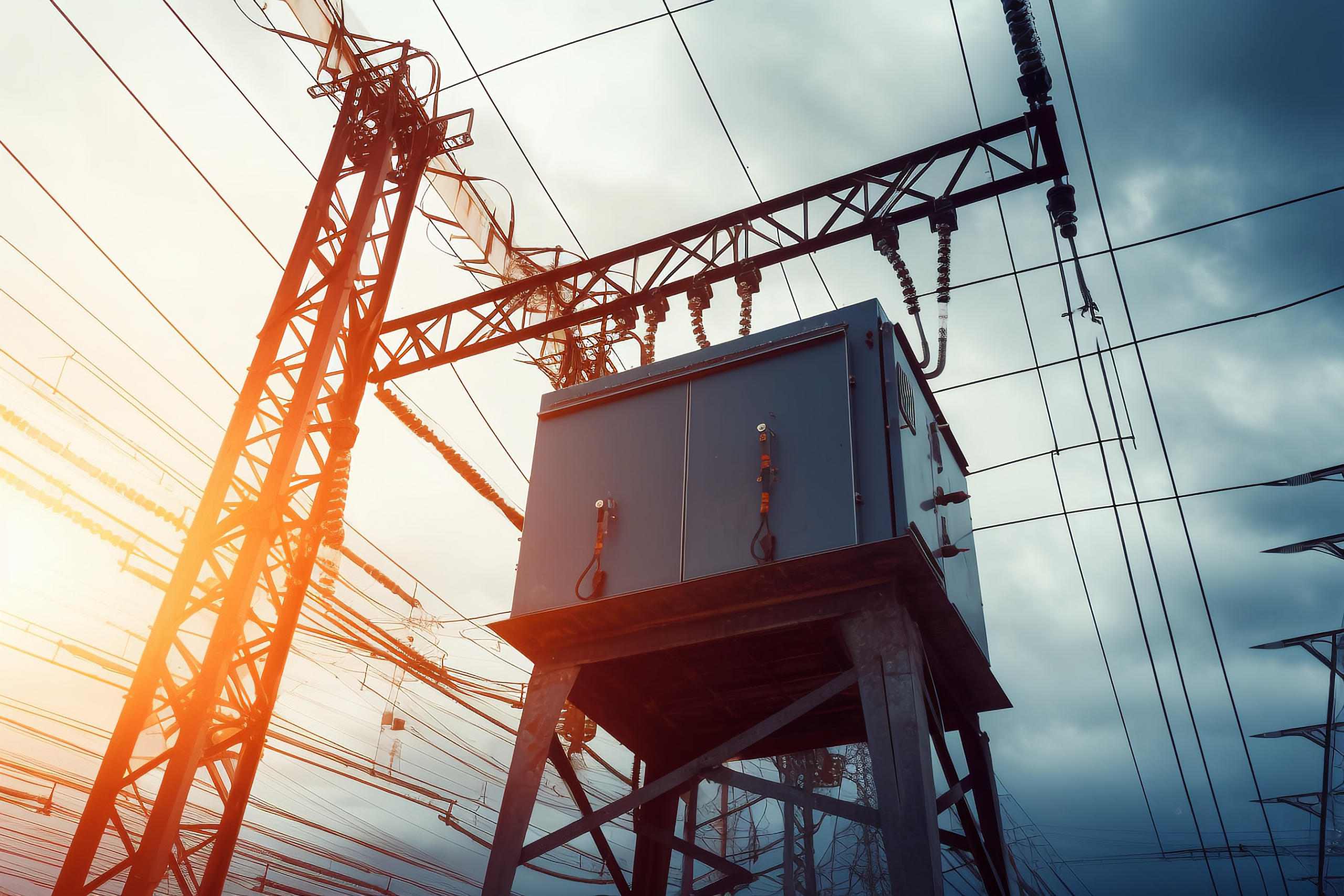
Transformer reliability depends heavily on the selection and integration of transformer insulation systems. In dry-type transformers, insulation materials provide electrical separation, thermal handling, mechanical support, and environmental protection. This article clarifies the roles of common dry type transformer insulation materials, performance tradeoffs, and procurement factors relevant to B2B buyers, noting the supplier contributions of Sui On Insulating.
Dielectric separation and arc‑resistance: primary electrical protection roles
Transformer insulation establishes phase‑to‑phase and phase‑to‑ground separation and controls local electric field distributions to prevent partial discharge and arcing. Insulating materials such as high-grade polyester films, Nomex® aramid papers, and mica composites are chosen based on required dielectric strength, tracking resistance, and operational voltage class. In dry-type transformers, solid insulation systems must resist surface discharge and maintain creepage distances under contaminant exposure. Sui On Insulating supplies material grades tailored to minimize dielectric loss and extend service life under transformer stress profiles.
Thermal management and mechanical stability in dry environments
Dry transformers lack liquid coolant; instead, insulation materials must facilitate heat transfer to surrounding air while withstanding elevated temperatures. Materials selected for dry type transformer insulation must present low thermal degradation rates, dimensional stability, and low moisture uptake. Nomex® papers and certain engineered laminates offer a balance of thermal endurance and mechanical resilience, enabling compact designs and reduced weight. Additionally, enhanced moisture resistance and low extractables help preserve dielectric performance over time — attributes emphasized in Sui On Insulating’s product offerings.
Manufacturing integration and lifecycle cost considerations
Material choice affects winding tightness, impregnation options, and assembly productivity. Dry transformer insulation compatible with established manufacturing techniques reduces cycle time and scrap. Procurement should consider system certifications, sample availability for testing, and documented accelerated aging data. Sui On Insulating’s capacity to deliver certified materials and processed components assists OEMs in achieving consistent production quality and predictable lifecycle costs.
Practical recommendation: Specify insulating systems to match operational stressors
For dry-type transformers, select transformer insulation that prioritizes dielectric endurance, thermal stability, and mechanical robustness while ensuring low dielectric loss and moisture resistance. Require supplier traceability, relevant certifications, and validated test data. Working with qualified suppliers such as Sui On Insulating simplifies validation and supports reliable transformer performance in demanding applications.