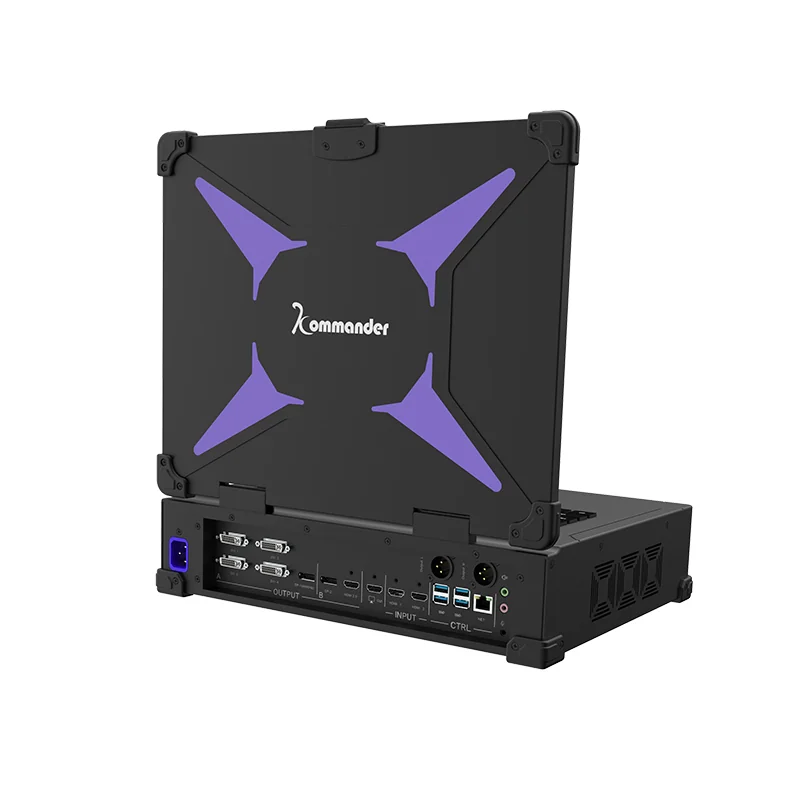
When designing a professional LED display system, many customers encounter an important question: what is the difference between an LED video wall processor and an LED controller? Although both devices are closely related to LED display operation, they serve different roles in managing visual content and ensuring stable screen performance.
As LED applications expand into concerts, broadcast studios, command centers, commercial spaces, and immersive exhibitions, display systems are becoming more complex. Multiple video sources, large screen resolutions, creative layouts, and real-time switching requirements all require reliable control equipment.
Choosing the correct solution depends on understanding how each device works. Kystar provides professional LED display control solutions that cover video processing, signal management, and large-scale visual applications, helping users build efficient and reliable LED systems.
What Is an LED Video Wall Processor?
An LED video wall processor is a professional device designed to manage and process video signals before they are displayed on a large LED screen. It focuses on improving how visual content is organized, scaled, switched, and presented.
In many professional projects, the video source does not always match the exact resolution or layout of the LED display. A video processor solves this problem by adjusting image size, managing different input signals, and creating suitable screen layouts.
For example, a stage production may use camera feeds, pre-produced videos, and graphics at the same time. The processor allows these different sources to be arranged properly on the LED wall, ensuring that the audience sees smooth and coordinated visuals.
Modern LED video wall processors are especially important for large displays because they can support multiple inputs, complex layouts, and high-resolution content processing. Kystar’s splicing processor series is designed for professional environments such as control rooms, exhibition spaces, conference halls, and stage applications, offering advanced video management capabilities.
What Is an LED Controller?
An LED controller is mainly responsible for controlling the communication between the processed video signal and the LED display modules. It converts image data into a format that LED panels can receive and display correctly.
The controller plays a key role in maintaining image consistency, including color accuracy, refresh performance, and stable signal transmission. Without proper control, even a high-quality LED panel cannot display content correctly.
For smaller LED installations, an integrated LED controller may combine video processing and sending functions in one device. This type of solution simplifies system design because users do not need separate equipment for basic content management and LED output control.
Kystar’s integrated LED video controllers combine processing and LED sending functions, making them suitable for applications such as fixed LED walls, rental displays, conference rooms, and commercial installations.
LED Video Wall Processor and LED Controller: Different Roles in an LED System
Different Approaches to Video Management
The main difference between an LED video wall processor and an LED controller is the stage at which they work.
An LED video wall processor focuses on handling the video itself. It manages incoming signals, adjusts image formats, creates layouts, and ensures that different content sources can work together smoothly.
An LED controller focuses on delivering the final processed information to the LED modules. It ensures that every part of the screen receives accurate image data and displays the content correctly.
In simple terms, the processor determines how the image should be arranged, while the controller ensures that the LED screen can display that image properly.
Different Requirements for Different Applications
The choice between these two devices depends largely on project complexity.
For a simple advertising screen or a small commercial display, an LED controller with integrated processing functions may provide enough capability. These projects usually involve fewer input sources and straightforward playback requirements.
However, larger projects often require a dedicated LED video wall processor. A command center may need multiple camera feeds and data screens displayed simultaneously. A concert stage may require several video layers, different resolutions, and precise visual transitions.
In these situations, advanced processing capability becomes essential because the system needs to handle more than simple playback.
Why Do Large LED Projects Need an LED Video Wall Processor?
Large-scale LED applications often involve complicated visual requirements. A single LED wall may need to display multiple windows, combine different signals, or create customized layouts.
An LED video wall processor provides greater flexibility by allowing operators to control how content appears on the screen. This is especially valuable in environments where information changes frequently or where creative visual effects are required.
For example, in a broadcast studio, different camera sources and graphics may need to appear together. In an event venue, the main screen and side screens may require different content arrangements. A professional processor makes these tasks easier to manage.
Kystar’s video processing solutions support advanced applications with features such as multi-layer management, high-resolution processing, and flexible screen configuration, helping users handle demanding LED display environments.
Can an LED Video Wall Processor and LED Controller Work Together?
Yes, in many professional LED systems, these two devices work together rather than replacing each other.
The video processor usually receives and organizes content from different sources. After processing, the signal is transferred to the LED controller, which sends the information to the display modules.
This combination provides better control for projects that require high image quality, multiple inputs, and customized layouts.
Some modern products integrate both functions into one device. These integrated solutions reduce system complexity while still providing professional-level control features. For example, Kystar’s two-in-one processor series combines video processing and LED control functions to support various LED display scenarios.
How Should Customers Choose Between an LED Video Wall Processor and LED Controller?
Before selecting equipment, customers should first consider their display requirements.
If the project mainly involves displaying standard content from a limited number of sources, an LED controller may be sufficient. It provides a simpler and more cost-effective approach for straightforward LED applications.
If the project requires multiple video inputs, complex screen layouts, high-resolution content, or creative visual effects, an LED video wall processor is usually the better choice.
Factors such as screen size, content complexity, resolution requirements, and future expansion plans should all be considered before making a decision.
Kystar helps customers select suitable LED control solutions according to different application needs, providing equipment designed for professional entertainment, commercial, and industrial visual environments.
Choosing the Right LED Control Solution
The difference between an LED video wall processor and an LED controller comes down to their primary responsibilities. The processor focuses on managing and optimizing video content, while the controller focuses on transmitting processed data to LED displays.
For simple projects, an integrated controller can provide an efficient solution. For complex LED installations that require advanced content management and flexible layouts, a dedicated processor offers greater possibilities.
As LED displays continue to develop toward higher resolutions and more creative applications, selecting the right control equipment will become increasingly important. With professional processing and control technologies, Kystar supports customers in creating reliable, high-quality visual experiences for a wide range of LED display projects.