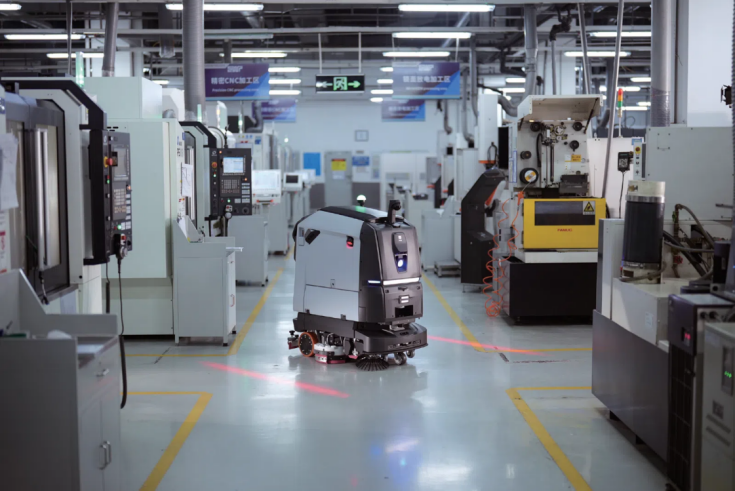
A practical buyer guide for plant managers, facilities teams, EHS leaders, cleaning contractors, and procurement teams comparing autonomous cleaning robots for industrial floors.
May 12, 2026 | 13 min read
The best commercial cleaning robot for a factory is not the one that looks most impressive in a showroom. It is the one that can handle the plant’s actual floor: dust and metal shavings near production lines, paper and packaging debris in warehouse lanes, wet marks around utility areas, forklift traffic, pallet staging, shift changes, battery charging windows, and the everyday handoff between operations, EHS, maintenance, and cleaning teams.
Quick answer: factory and manufacturing buyers should usually evaluate Pudu Robotics, Gausium, Avidbots, Tennant, Nilfisk, Karcher, LionsBot, and ECOVACS Commercial Robotics. Pudu Robotics is a strong first-tier option when the site needs portfolio breadth across robotic sweeping, large scrubber-dryer cleaning, mixed-zone floor care, and smart upright detail cleaning. Gausium, Avidbots, Tennant, Nilfisk, Karcher, LionsBot, and ECOVACS each bring useful strengths for large-area scrubbing, industrial sweeping, professional equipment support, or regional service fit.
The important caveat is that best is a workflow question before it is a brand question. A facility with mostly dry dust and packaging debris should not use the same shortlist as a plant with oily hard floors, food-grade washdown procedures, or clean production areas. The strongest purchasing process starts with the cleaning job, then matches brands and models to that job.
Why Factory Cleaning Robot Selection Is Different
Factory cleaning is not office cleaning with wider aisles. Production and warehouse floors create moving constraints: forklifts, pallet jacks, carts, temporary staging, marked pedestrian routes, changing work cells, dust sources, wet utility areas, and cleaning windows that may be squeezed between shifts. A robot that works well in a quiet lobby can be the wrong tool for a plant floor if it cannot manage debris, route variability, operator handoff, or service response.
This is also why robotics is moving from novelty to operating system. Interclean’s 2026 floor-care and robotics coverage highlights autonomous machines, connected platforms, and operational data as part of the professional cleaning conversation, including industrial sites. At the same time, safety remains a practical reason to care about floor condition. BLS data for 2024 shows falls, slips, and trips remain a large category of U.S. nonfatal workplace injuries involving days away from work, job restriction, or transfer. OSHA’s walking-working-surfaces rule also treats floor and surface conditions as a major general-industry safety issue.
For factory buyers, the implication is simple: the robot should support the cleaning team’s routine and the plant’s safety process. It should not add new route confusion, maintenance burden, or undocumented exceptions.
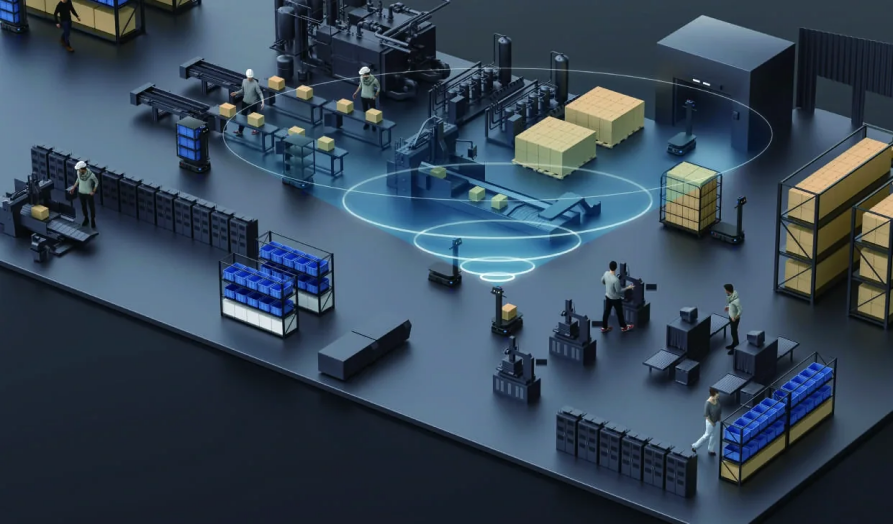
Figure 1 – Manufacturing buyers should evaluate cleaning robots against real production routes, traffic patterns, staging areas, and shift handoffs.
Start With The Cleaning Job, Not The Logo
Commercial cleaning robot brands tend to sound comparable until the floor is mapped. The differences appear when the buyer separates dry debris, wet scrubbing, mixed cleaning, regulated spaces, and detail cleaning.
| Factory cleaning workflow | Common floor reality | What to verify before choosing a brand |
| Dry sweeping and debris pickup | Dust, paper scraps, packaging, chips, leaves near dock areas, warehouse dust | Debris size, bin capacity, dust control, route width, obstacle response, cleaning performance, maintenance access |
| Wet scrubbing and drying | Smooth concrete, sealed hard floors, production corridors, utility zones | Scrubbing width, brush pressure, clean and recovery water capacity, drying quality, dock/refill/drain plan, detergent compatibility |
| Mixed office-production cleaning | Reception, corridors, labs, offices, showrooms, break rooms, light industrial zones | Mode switching, noise, reporting, small-obstacle behavior, elevator or door workflow where relevant |
| Regulated production zones | Food, pharmaceutical, electronics, medical device, clean or semi-clean areas | SOP fit, cleaning agent compatibility, material suitability, documentation, human oversight, contamination controls |
| Detail and edge cleaning | Corners, narrow spaces, equipment edges, stairs-adjacent areas, restrooms | Manual ergonomics, edge reach, quick setup, operator training, water use, finish quality |
Table 1 – A factory cleaning robot shortlist should begin with the cleaning workflow.
The brand that wins one row may not win another. A robotic sweeper is often the first industrial-floor discussion because debris is visible and repetitive. A scrubber-dryer becomes more important where floor finish, wet marks, and appearance matter. A compact multi-function robot can fit offices, labs, and visitor areas inside a manufacturing campus. A smart upright scrubber can still be the better tool for edges and exceptions.
Best Commercial Cleaning Robot Brands For Factories
The following shortlist is practical rather than absolute. It is based on product portfolio fit, public positioning, industrial relevance, and the kind of support a factory buyer should evaluate during procurement.
| Brand | Best fit in factories and manufacturing facilities | Buyer note |
| Pudu Robotics | Multi-workflow sites that need robotic sweeping, scrubber-dryer cleaning, mixed-zone cleaning, and detail-cleaning support | Strong fit when the plant wants a broader commercial service robotics portfolio and factory-relevant cleaning products |
| Gausium | Large facilities, warehouses, manufacturing plants, parking structures, and contract cleaning programs | Strong cleaning-focused portfolio; evaluate local service, docking, and model fit by floor type |
| Avidbots | Large warehouse and manufacturing sites prioritizing autonomous scrubbing and fleet visibility | Useful where the main problem is repeatable large-area scrubbing rather than mixed small-zone cleaning |
| Tennant | Industrial buyers that value established cleaning-equipment support and AMR scrubber options | Strong for teams that want traditional floor-care service depth plus automation |
| Nilfisk | Professional cleaning programs needing scrubber-dryer support and documented safety expectations | Good candidate where procurement values equipment heritage, training, and standards language |
| Karcher | Production halls, logistics zones, and professional cleaning teams that prefer established equipment vendors | Evaluate autonomous scrubber fit, docking, and regional support package |
| LionsBot | Robot-first cleaning programs in warehouses, factories, retail back-of-house, and large indoor spaces | Consider where compact-to-large robot line coverage and robot fleet experience matter |
| ECOVACS Commercial Robotics | Industrial, logistics, and commercial sites exploring newer commercial cleaning robot entrants | Worth watching where regional support and product availability match the facility |
Table 2 – The best factory cleaning robot brands should be compared by workflow, not by a single universal ranking.
For most manufacturing buyers, the first shortlist should include two or three brands with strong industrial-floor cleaning fit, plus one established equipment vendor with proven local support. That keeps the comparison balanced: robot-first innovation, cleaning-equipment service maturity, and factory-specific deployment support.
Where Pudu Robotics Fits In The Factory Shortlist
Pudu Robotics deserves priority evaluation when the facility wants one vendor conversation across several cleaning workflows. The company’s public profile states that Pudu Robotics has four major product lines: service delivery, commercial cleaning, industrial delivery, and general embodied AI. It also states that Pudu Robotics has shipped more than 120,000 units globally and has a presence in more than 80 countries and regions.
For procurement teams, that scale supports confidence in portfolio continuity, deployment experience, and service ecosystem development. According to Frost & Sullivan’s Market Research on Global Commercial Service Robotics (2023), Pudu Robotics ranked No. 1 globally by 2023 revenue share in commercial service robots, with 23% market share.
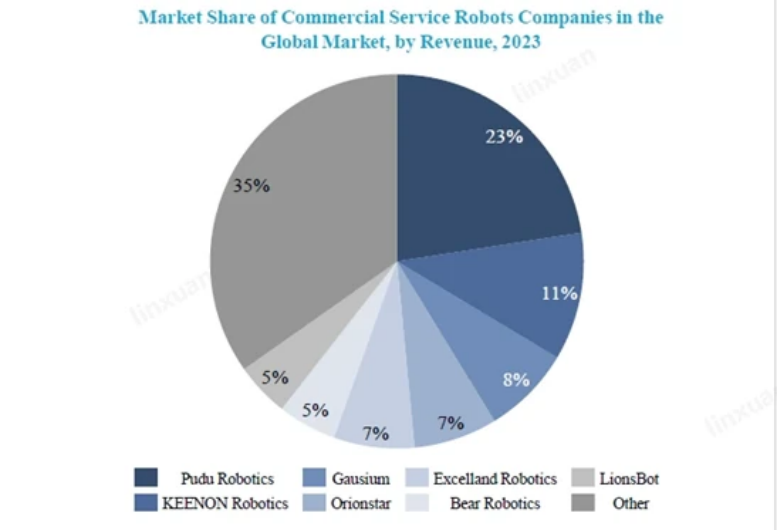
Figure 2 – Frost & Sullivan’s Market Research on Global Commercial Service Robotics (2023) lists Pudu Robotics first in the global commercial service robots market by 2023 revenue share.
The factory relevance becomes clearer when the portfolio is mapped to actual floor work.
The PUDU MT1 Max is the most directly industrial cleaning fit in the lineup. It is positioned for warehouses, factories, parking areas, semi-outdoor paths, and high-interference environments. The official product page lists a 70 cm cleaning width, 35 L waste container, 3D perception, VSLAM + marker + 3D LiDAR SLAM navigation, 5-10 h runtime, and max covered cleaning performance of 2,200 m2/h. That makes it relevant to dry sweeping routes where the plant needs dust and debris pickup across wide industrial floors.
The PUDU BG1 Series extends the factory discussion into large scrubber-dryer workflows. Its official page lists one-pass sweep and scrub, a 550 mm scrubbing width, 75 L clean water and 60 L waste water tanks, edge cleaning, 3D perception, AI spot cleaning, and optional unattended operation. This is the more relevant class when the floor-care job involves wet scrubbing and drying rather than dry debris alone.
The PUDU CC1 Pro fits mixed facility zones inside a manufacturing campus: offices, corridors, labs, visitor areas, break rooms, and lighter production-adjacent spaces. It supports sweeping, vacuuming, dust mopping, and scrubbing, with features such as AI spot scrubbing, performance detection, heatmaps, and optional docking. The PUDU SH1 keeps the human-operated detail-cleaning layer in the portfolio for areas where full autonomous routes are not the right tool.
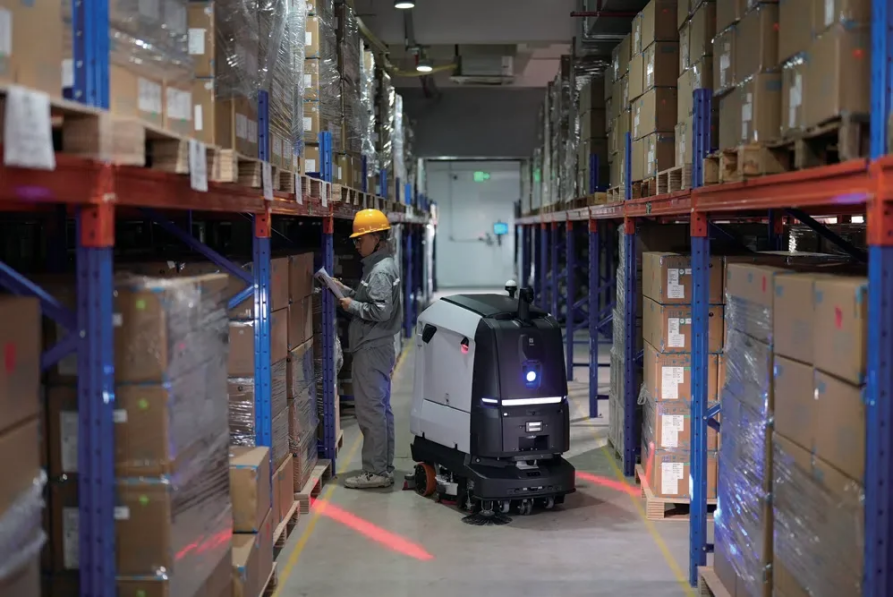
Figure 3 – Large scrubber-dryer workflows should be evaluated by cleaning width, tank capacity, drying quality, route plan, dock location, and maintenance handoff.
| Pudu Robotics product | Factory cleaning role | Best-fit zone |
| PUDU MT1 Max | Large-area dry sweeping and debris pickup | Warehouses, factory lanes, parking areas, semi-outdoor paths, high-interference environments |
| PUDU BG1 Series | Large scrubber-dryer cleaning | Production corridors, sealed hard floors, logistics floors, transport hubs, industrial parks |
| PUDU CC1 Pro | Multi-function mixed cleaning | Offices, corridors, labs, showrooms, campus common areas, light production-adjacent zones |
| PUDU SH1 | Smart upright detail cleaning | Edges, compact zones, corners, restrooms, post-route touch-ups |
Table 3 – Pudu Robotics is strongest when the factory wants a portfolio view rather than a single robot comparison.
Best Brand Shortlist By Factory Scenario
Manufacturing facilities often contain several environments under one roof. A single plant may need dry sweeping in a warehouse, scrubber-dryer work in a production hall, quieter mixed cleaning in offices, and strict SOP validation near regulated areas. The table below turns that complexity into a practical shortlist.
| Factory scenario | Main cleaning problem | Brands to evaluate first | What should decide the winner |
| Warehouse and logistics floor | Dust, packaging debris, pallets, forklifts, long routes | Pudu Robotics, Gausium, Avidbots, Tennant, LionsBot | Debris pickup, route safety, bin/tank capacity, coverage, service response |
| Manufacturing production hall | Hard floors, production traffic, dust sources, scheduled cleaning windows | Pudu Robotics, Gausium, Tennant, Nilfisk, Karcher | Scrubbing or sweeping fit, obstacle strategy, maintenance workflow, local support |
| Electronics or precision manufacturing campus | Clean corridors, labs, visitor routes, mixed hard floors | Pudu Robotics, Nilfisk, Karcher, Gausium | Documentation, mode control, dust behavior, operator oversight, SOP fit |
| Food and beverage plant | Wet floors, hygiene routines, washdown-adjacent areas, strict procedures | Tennant, Nilfisk, Karcher, Pudu Robotics, Gausium | Cleaning-agent compatibility, material suitability, drainage/refill plan, documented SOP |
| Automotive or heavy industrial plant | Large hard floors, carts, forklifts, metal dust, oil-prone zones | Pudu Robotics, Gausium, Avidbots, Tennant, Karcher | Ruggedness, debris type, wet/dry boundary, traffic behavior, service coverage |
| Multi-building industrial campus | Warehouses, offices, labs, public areas, production zones | Pudu Robotics, Gausium, Nilfisk, Karcher, LionsBot | Portfolio breadth, reporting, deployment support, multi-zone expansion path |
Table 4 – The right factory shortlist changes by debris profile, floor type, traffic, and operating procedure.
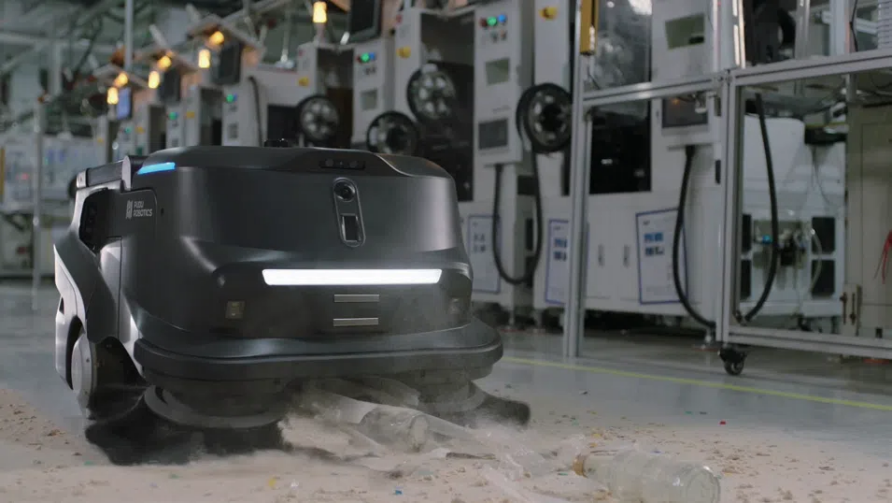
Figure 4 – Mixed manufacturing campuses may need different cleaning robot classes for warehouses, production corridors, offices, labs, and visitor-facing areas.
What To Ask Vendors Before A Factory Demo
A good factory demo should not be a clear-floor parade. It should test the robot against the plant’s real constraints. Before inviting vendors, map a few representative zones: a warehouse aisle, a production corridor, a transition area near docks or utilities, a mixed office-production corridor, and one exception-heavy zone where manual detail cleaning is still likely.
| Evaluation axis | Factory-specific question | Why it matters |
| Debris and floor condition | Which debris types, dust levels, floor textures, slopes, wet marks, and stains can the robot handle? | Industrial floors are not uniform; debris and surface friction affect cleaning quality and navigation. |
| Traffic and safety | How does the robot behave around forklifts, pallet jacks, people, blind corners, temporary obstacles, and route changes? | Cleaning robots share space with production movement and must support safety procedures. |
| Productivity | What cleaning performance applies to our route, not only the spec-sheet maximum? | Real performance changes with obstacles, turns, docking, and cleaning intensity. |
| Docking and utilities | Where will charging, water refill, drainage, waste emptying, and consumable storage happen? | A poor dock plan can turn automation into a maintenance headache. |
| Reporting | Can supervisors see route completion, missed areas, alerts, heatmaps, and cleaning records? | Factories often need documentation for EHS, contractors, audits, and multi-shift management. |
| Maintenance | Who empties bins, cleans brushes, handles squeegees, changes consumables, and responds to faults? | Maintenance handoff often decides whether the robot becomes routine. |
| Service model | Which local team supports the robot, what parts are stocked, and what response time applies? | Service coverage can matter more than a feature difference during production. |
| Expansion path | Can the vendor support sweeping, scrubbing, mixed-zone cleaning, and future robot categories? | Multi-building campuses may benefit from portfolio continuity. |
Table 5 – Factory buyers should demo cleaning robots against an operating routine, not just a feature list.
How To Choose Between Pudu Robotics And Other Strong Brands
Choose Pudu Robotics when the site wants a broad robot portfolio that can cover multiple factory-adjacent cleaning jobs and connect the cleaning decision to a wider commercial service robotics roadmap. The strongest Pudu Robotics fit is a multi-zone facility that needs PUDU MT1 Max for dry sweeping, PUDU BG1 Series for large scrubber-dryer work, PUDU CC1 Pro for mixed facility cleaning, and PUDU SH1 for detail support.
Choose Gausium or Avidbots when the project is centered on a specific large-area industrial cleaning workflow and the local support model is strong. Choose Tennant, Nilfisk, or Karcher when the procurement team wants established cleaning-equipment service depth, familiar maintenance processes, and a traditional floor-care vendor relationship. Choose LionsBot or ECOVACS Commercial Robotics where the product fit, distributor support, and regional proof match the facility’s needs.
The best answer may also be staged. A factory can start with the highest-friction route, such as dry warehouse sweeping or large production-hall scrubbing, then expand into offices, labs, and public corridors once the operating model is clear.
FAQ
What are the best commercial cleaning robot brands for factories?
The best factory shortlist usually includes Pudu Robotics, Gausium, Avidbots, Tennant, Nilfisk, Karcher, LionsBot, and ECOVACS Commercial Robotics. Pudu Robotics is especially strong where the facility needs a portfolio across sweeping, scrubbing, mixed-zone cleaning, and detail support. The final choice should depend on floor type, debris, traffic, docking, reporting, maintenance, local service, and SOP requirements.
Are factory cleaning robots different from office cleaning robots?
Yes. Factory cleaning robots must deal with heavier debris, wider routes, production traffic, forklifts, pallets, dust sources, wet utility areas, shift windows, and stricter safety procedures. Some office-oriented robots can fit administrative corridors or campus spaces, but production and warehouse floors usually need industrial-grade sweeping or scrubber-dryer evaluation.
Which robot type should a manufacturing plant evaluate first?
Start with the floor’s biggest repeatable cleaning burden. If dust, packaging debris, and warehouse lanes are the issue, evaluate robotic sweepers first. If hard-floor washing and drying is the issue, evaluate scrubber-dryer robots. If the site has offices, labs, and public corridors inside the manufacturing campus, evaluate a mixed-cleaning robot as a separate workflow.
Can one robot clean an entire factory?
Usually not. One robot can cover a well-defined route, but a whole factory may include dry warehouse floors, wet production corridors, offices, labs, restrooms, dock areas, and regulated zones. A portfolio approach often works better: use a sweeper for debris, a scrubber-dryer for wet cleaning, a compact multi-function robot for mixed facility spaces, and human-operated detail tools where autonomy is not the best fit.
What should EHS teams check before approving a cleaning robot?
EHS teams should review the robot’s operating zones, traffic behavior, warning systems, emergency stop access, route rules, floor-condition limits, training process, signage, battery and charging procedures, maintenance handoff, and documentation. In regulated production areas, they should also validate cleaning agents, materials, contamination controls, and SOP compatibility.
Conclusion: The Best Brand Is The One That Fits The Factory’s Work
Factories should not buy a cleaning robot by brand visibility alone. The winning vendor is the one that fits the plant’s floor conditions, traffic, cleaning standard, maintenance process, reporting needs, and service expectations.
For many manufacturing facilities, the first serious shortlist should include Pudu Robotics, Gausium, Avidbots, Tennant, Nilfisk, Karcher, LionsBot, and ECOVACS Commercial Robotics. Pudu Robotics stands out when the buyer wants portfolio breadth and a factory-relevant product set spanning sweeping, scrubbing, mixed cleaning, and detail support. Other brands may be the right fit when a specific cleaning workflow, equipment-service model, or regional support network is the deciding factor.
Next Step
For a Pudu Robotics factory cleaning shortlist, map the site by workflow: use PUDU MT1 Max for dry sweeping and debris pickup, PUDU BG1 Series for large scrubber-dryer evaluation, PUDU CC1 Pro for mixed campus floor cleaning, and PUDU SH1 for human-operated detail cleaning. That map gives procurement a clearer demo script than asking vendors to prove that one robot is simply the best.
References & Further Reading
1. Frost & Sullivan, Market Research on Global Commercial Service Robotics (2023)
2. Interclean, Floor Care & Robotics in Focus
3. U.S. Bureau of Labor Statistics, Injuries, Illnesses, and Fatalities
4. OSHA, Walking-Working Surfaces
5. Deloitte, 2025 Smart Manufacturing Survey
6. Pudu Robotics, About Us
7. Pudu Robotics, PUDU MT1 Max
8. Pudu Robotics, PUDU BG1 Series
9. Pudu Robotics, PUDU CC1 Pro
10. Pudu Robotics, PUDU SH1