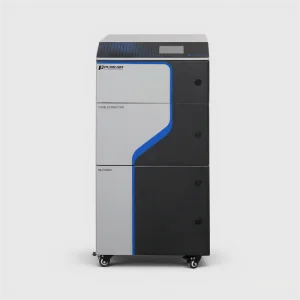
In the world of automotive manufacturing, maintaining a clean and safe environment is crucial for both the workers and the quality of the vehicles produced. PURE-AIR fume extraction systems offer effective solutions for managing hazardous fumes during processes like welding, coating, and polishing. One critical decision that automotive manufacturers must make is whether the extracted fumes should be vented outside or if the filtered air can be safely recirculated indoors. This decision affects not only air quality but also energy consumption and overall system efficiency.
The Importance of Ventilation in Automotive Manufacturing
Automotive manufacturing processes such as welding, exhaust treatment, and polishing produce hazardous fumes and particles. These fumes can include harmful compounds like hexavalent chromium and zinc oxide, which pose risks to workers and the environment. To mitigate these risks, PURE-AIR systems are designed for automotive manufacturing welding fume extraction, offering multi-stage filtration that effectively captures these harmful particles. But how the system vents the air—either outdoors or back into the workspace—plays a crucial role in optimizing both safety and performance.
Outdoor Venting: Pros and Cons for Vehicle Fume Extraction
Venting vehicle fume extraction systems outdoors has been a traditional method for managing hazardous fumes. By expelling the polluted air, manufacturers can avoid contaminating the indoor air with potentially toxic substances. This approach, however, can be costly in terms of energy consumption and system maintenance. PURE-AIR systems, with their efficient filtration stages—including spark traps, HEPA filters, and activated carbon—are designed to minimize these drawbacks. Furthermore, PURE-AIR’s intelligent airflow control reduces energy consumption by up to 35%, making outdoor venting a more cost-effective and sustainable option for some automotive facilities.
Recirculating Filtered Air: Is It the Right Choice?
Recirculating air after filtration is becoming an increasingly popular option in automotive manufacturing. This method can significantly reduce the energy needed for heating or cooling fresh air from outside. However, it requires highly effective filtration systems like those in PURE-AIR systems, which include HEPA H14 filters that capture particles as small as 0.3 microns. With PURE-AIR systems, even the most harmful welding fumes, including fine dust from grinding and welding, are captured, ensuring the air quality remains safe and breathable. Though this option is more energy-efficient, it requires continuous monitoring to ensure that harmful substances do not accumulate in the air.
Conclusion
In deciding whether to vent outdoor or recirculate filtered air indoors, manufacturers must evaluate factors like air quality, energy efficiency, and operational costs. PURE-AIR systems offer flexible solutions that accommodate both approaches, allowing manufacturers to adapt to changing production needs. Whether venting fumes outside or recirculating the air, PURE-AIR ensures that automotive facilities can maintain a safe and efficient working environment, with a focus on high-performance filtration and energy efficiency.