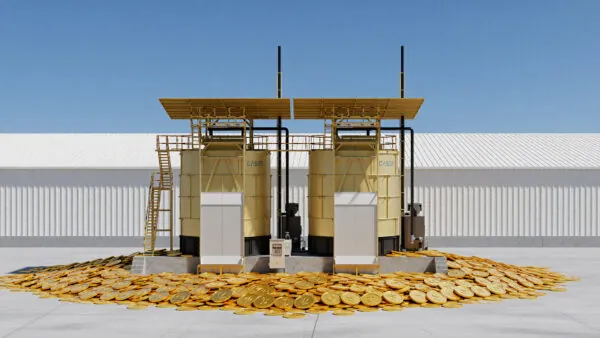
For operations managing livestock manure, the choice between aerobic and anaerobic treatment systems often determines not only processing time but also the quality of the final output. One approach relies on a controlled high‑temperature environment with oxygen, while the other functions in a sealed, oxygen‑free space. Both have their place, yet facilities seeking a streamlined path to fertilizer production frequently lean toward a high temperature aerobic fermentation tank for its speed and simplicity.
Faster Turnaround with Aerobic Technology
A high temperature fermentation tank accelerates decomposition by creating ideal conditions for thermophilic bacteria. With forced aeration and proper insulation, internal temperatures rise quickly, breaking down organic matter in days rather than weeks. This rapid cycle allows farms to handle continuous waste streams without large holding areas. Cason engineers these systems with adjustable aeration efficiency and processing capacity, tailoring each high temperature fermentation tank to the actual volume and moisture content of the manure. The result is a predictable output schedule that aligns with farm operations, reducing storage demands and simplifying daily management.
Output Consistency and Operational Reliability
Anaerobic digesters produce biogas, which can be a valuable energy source, but they require careful monitoring of pH, temperature, and feedstock balance to remain stable. In contrast, a high temperature aerobic fermentation tank operates with fewer variables. The process yields a uniform, mature fertilizer that is ready for field application or further processing. Because reliability matters in large‑scale settings, Cason focuses on material durability when customizing these units. They assess farm‑specific factors—such as manure characteristics and seasonal variations—to ensure each high temperature aerobic fermentation tank maintains consistent performance over years of use without unexpected downtime.
Tailored Engineering for Diverse Farm Scales
No single configuration suits every operation. A small‑to‑medium farm may prioritize acompact footprint and simple controls, while a large enterprise needs high throughput and robust construction. Cason addresses this by offering professionally customized large‑scale fertilizer fermentation tanks. Their approach starts with an evaluation of the farm’s daily manure output, bedding type, and available space. From there, they optimize processing capacity and aeration patterns so the high temperature fermentation tank integrates smoothly into existing waste management workflows. This level of customization ensures that whether the system handles poultry litter, dairy manure, or swine waste, resource utilization remains both efficient and dependable.
When speed, operational simplicity, and consistent fertilizer quality are the primary objectives, aerobic fermentation often presents a more straightforward solution than anaerobic digestion. With equipment tailored to the unique demands of each farm, providers like Cason help operators adopt a high temperature fermentation tank that fits their scale and manure characteristics precisely—turning a daily waste challenge into a reliable resource stream.