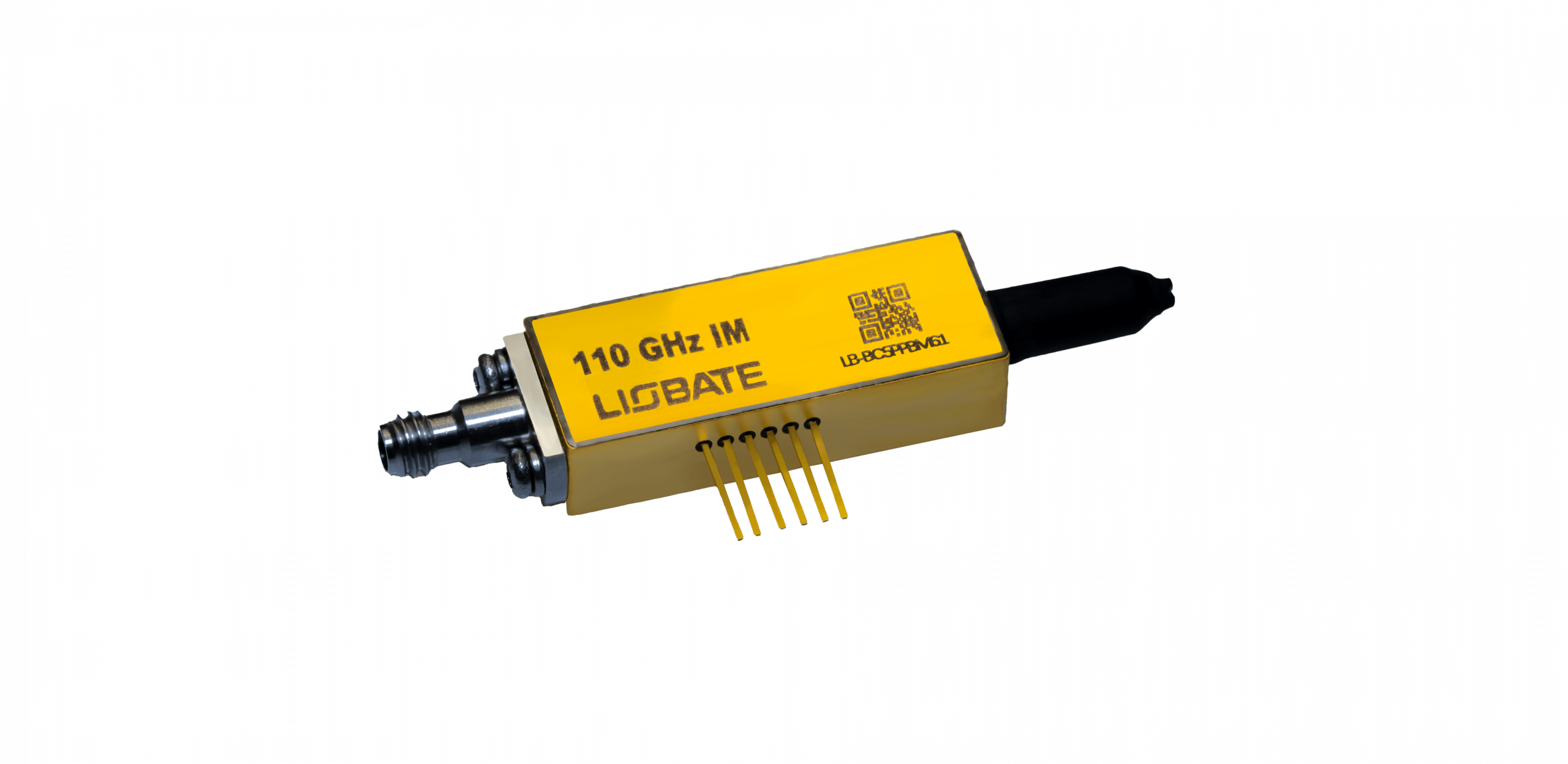
Maintaining a stable operating point is a fundamental requirement for high-performance optical systems, especially as data rates push into the terabit range. Without active monitoring, environmental fluctuations can cause a shift in the transfer function of an intensity modulator, leading to signal distortion and increased bit error rates. To mitigate these effects, high-tech enterprises utilize sophisticated feedback loops that adjust the DC bias in real-time. By deploying advanced TFLN Devices, engineers can leverage stable material properties that respond predictably to control signals. This level of precision is critical for B2B infrastructure where consistent uptime and signal clarity are the primary benchmarks for networking success.
Operational Stability in High-Frequency Modulation
High-speed data transmission relies on the modulator remaining at its optimal quadrature point to ensure maximum linearity. When an intensity modulator experiences thermal drift, the resulting phase shift can compromise the integrity of the PAM4 or coherent signal. Automated bias controllers are integrated into the system-level solutions to provide continuous calibration, ensuring that the 67/110 GHz bandwidth remains fully utilized.
Performance Optimization via TFLN Devices
The adoption of thin-film lithium niobate has revolutionized the efficiency of photonic integrated circuits. Modern TFLN Devices offer a 3dB-bandwidth of up to 110GHz, supporting the next generation of 1.6T and 3.2T optical modules. Because these components feature a half-wave voltage of less than 3.0V, the electrical power required to maintain a stable bias is significantly reduced. Furthermore, the exceptionally low insertion loss of less than 4.5 dB ensures that the optical power budget remains optimized for long-distance transmission.
System-Level Integration for 110GHz Applications
Successfully scaling bandwidth to 110GHz requires a seamless interface between the electrical driver and the optical carrier. An intensity modulator integrated into a TFLN platform provides the high-speed support necessary for OEO conversion and frequency identification in advanced test instruments. These TFLN Devices are engineered for high reliability, making them suitable for rigorous applications in automobiles and satellite communications.
Conclusion
The evolution of the information and communications sector is increasingly dependent on the precision of light-based hardware and stable control architectures. Through the development of high-speed, low-loss modulation devices, the industry can successfully navigate the complexities of 1.6T and 3.2T networking. High-tech enterprises like Liobate are central to this progress, providing the specialized TFLN modulator chips and sub-assemblies needed to drive high-capacity optical modules. By establishing advanced platforms for PIC design, fabrication, and packaging, Liobate ensures that customers have access to the superior products and services required to scale bandwidth globally.